Burning fossil fuels such as coal, oil and gas for our energy has increased levels of heat-absorbing gases, especially carbon dioxide, in the atmosphere. So, our planet has warmed over one degree Fahrenheit, and will continue to heat further and faster, as more of these gases build up.* Most climate scientists, including the National Academy of Sciences, agree this is what’s happening, and that something must be done soon to stop the heating, before climate change starts accelerating.
The heat doesn’t sound like much, but a little goes a long way towards changing climate. Scientists predict that our planet could heat up another 6 to 11 degrees by the end of this century, roughly the same DIFFERENCE in temperature that separates our climate from the last ice age, when 300-foot thick ice sheets covered the northern US.
Think of Earth as a big ball, covered with water and air. The sun heats up the water and air, and some heat becomes motion, moving the mix around the ball, just like heating moves water in a pot.
The long-term patterns of this heat and these movements are our climate, changing slowly enough over the eons so that most life can adapt to it. But add to this water-air mixture a sudden jolt of heat,* and the planetary water cycle speeds up, something scientists are seeing now.
This results in bigger and stronger storms and floods. The extra heat also creates more extreme heat waves, droughts, and melts ice globally, which raises sea levels.
All this is threatening our sources of food, water and shelter, the basics of our survival. Here’s a great summary, that also includes another side effect, ocean acidification, resulting from increased absorption of carbon dioxide.
The good news is that we can stop too much harmful climate change if we act fast. We just have to stop emitting global warming gases.
The biggest way we can cut emissions is by creating sustainable human populations humanely – recognizing that we need to make responsible reproductive choices. Consider having one child (the personal choice I’ve made) or a child-free life. Without doing this, none of the other solutions will really work: our growing populations fuel energy demand and strain resources needed for the other solution avenues.
Those other solution avenues are:
using energy more efficiently;
switching from fossil fuels to clean renewable energy — like solar, wind, and geothermal energy;
stopping deforestation
divesting from fossil fuels
We can do all this, and doing so would create more jobs and improve our economy, as other countries have already shown.
Changing energy sources won’t be easy or cheap politically. But it’s cheaper economically than what we’re doing now. We’ve spent trillions defending foreign oil sources. Furthermore, fossil fuel pollution and mining inflict heavy damage on human health and our environment. So, even if climate change wasn’t happening, it pays for us to switch to clean renewable energy anyway.
How do we solve this? MOVE THE MONEY. Our government must stop supporting fossil fuels and tax breaks for the rich, and start creating tax breaks for clean energy and energy efficiency in the marketplace. But fossil fuel lobbyists are strong and influential. So, it’s up to you, the voters, to elect strong leaders who are going to pull the plug on fossil fuels, and promote clean renewable energy and efficiency, as fast as possible. DITV – Divest, Invest, Talk about it, and Vote.
It’s all about our economy, our future.
* * * * *
You can help the planet by making this go viral — please spread it far and wide!
Another way to help? I started a Clean Energy Voting pledge online, to let Congress know many voters are monitoring their action on climate change. When we can show Congress that a large voting bloc considers this an important issue, Congress will act seriously on it. You can pledge here: http://signon.org/sign/we-are-the-clean-99?source=c.em.cp&r_by=487176
Please help make THIS go viral, too — spread it far and wide! Thanks!
* * * * *
*SOME BASIC SCIENCE:
for a summary of the science behind climate change that uses the simple analogy of boiling water, see my posting: Climate Change for Dummies: Go Boil Water at the HuffingtonPost
Why do some gases absorb more heat than others?
All gases can absorb heat, but some absorb more than others. Why? Different gases are made up of molecules of varying complexity. Since the building blocks of molecules are atoms, the more atoms in the molecule, the more complex it is. More complex molecules can hold, or absorb, more heat than simpler ones, just like larger houses can hold more heat than smaller ones. So, the more heat-absorbing gases in the atmosphere are ones that have more than 2 atoms (#) in them – carbon dioxide (3), water vapor (3), methane (4), nitrous oxide (3), and so on. Lucky for life on Earth, there are relatively small amounts of these more complex molecules in the atmosphere.
Large amounts of simpler molecules make up the bulk of our atmosphere:
Nitrogen (2) makes up about 78 percent,
Oxygen (2) makes up about 21 percent
Yeah, that’s right!! All those bothersome, heat-absorbing, so-called greenhouse gases that are creating climate change make up only about 1 percent of our atmosphere, but boy are they potent, especially in terms of the climate change they can affect when their levels are changed!
Physical and Ecological Feedbacks Mostly Speed Up Global Warming
Relatively little global warming is caused directly from the heat trapped by the gases emitted from burning fossil fuels — it is what comes next that really creates an ultimately unsafe situation. The initial warming creates physical and ecological effects that usually, in turn, speed up global warming and reinforce themselves. These reinforcing processes are known as positive (as in reinforcing) feedbacks. Remember, all an effect needs to do is to cause a further increase in heat absorption or in atmospheric greenhouse gases like carbon dioxide and methane, which, in turn, reinforce that effect, for it to be a positive feedback.
Physical effects include decreasing the ability of the planet’s surface to reflect light and heat. When the warming causes ice to melt, for example, the lighter surface of ice is replaced by the much darker surface of water and soil, decreasing its reflective ability, or albedo. This new surface will absorb more heat, causing adjacent areas to melt faster. And so, the albedo effect reinforces itself as it adds to global warming by absorbing more heat.
Warming in the Arctic melts frozen methane deposits in the soils, lake beds, and sea beds. Once melted, the methane rises into the atmosphere, significantly adding to the global warming effect that will help melt more methane deposits. There is a huge amount of methane stored in these Arctic deposits.
Ecological feedback effects occur because many ecosystems store carbon, keeping it from becoming greenhouse gases. Huge amounts of carbon are stored soil and in forest trees, for example. As soils warm, soil microbes start releasing the carbon as carbon dioxide. Global warming also results in warmer drier seasons and more extreme droughts. These create longer fire seasons, increasing the frequency and size of wildfires, which release large amounts of carbon in the form of carbon dioxide.
These are just some examples of physical and ecological feedbacks, the overwhelming majority of which are positive feedbacks that result in further warming of the planet and further climate change. There are plenty more.
About that “Sudden” Jolt of Heat
“Sudden” is a relative term in time, of course. What’s sudden for the planet can be nonexistent for us, who usually live less than a century. The planet as a whole usually changes so slowly that to see its changes, we have to look at the history of how it changes geologically (like how mountain ranges form or continents drift) over millions of years, or how it evolves biologically over the same time scale. Most atmospheric changes on the planet have happened slowly, over thousands of years. The rate at which we are changing the atmosphere is SO fast on that timescale, however, that it constitutes a veritable explosion. So, jolt is actually a pretty conservative term.
Although the total average increase in temperature is small so far, this constant infusion of extra heat represents an energy inbalance in our planetary system, points out NASA climate scientist Pushker Kharecha. “No question about it, it’s a lot of energy,” says senior climate scientist Warren Washingtion at the National Center on Atmospheric Research. Just how much? 250-500 million Megawatts of energy. It’s like having up to half a million EXTRA, large coal burning plants on Earth. Yeah, a half million….
Sources:
1. Cool The Earth, Save the Economy: Solving Climate Change Is EASY , a free, downloadable book available at: www.CoolTheEarth.US . Readable, and comprehensive, with lots more information and detail, accrued from hundreds of reports, peer-reviewed scientific studies, and informative articles, listed in the Bibliography. Published in 2008 by an award-winning environmental scientist and a biologist (that’s me), online only. Although the sections on technological advances are already outdated, the relevancy of the bulk of it is pretty much unchanged. Am still trying to work on an updated edition.
Posted: 29 Jul 2011 09:30 AM PDT. As extreme weather events multiply, scientists are still in the early stages of understanding how more energy is influencing complex weather phenomena. By Lisa Song, SolveClimate News
Welcome to my blog. Here you’ll find the Climate Change Reports — newscasts being uploaded every weekday for those of you who want to keep updated with developments, both good and bad, related to climate change and global warming. The reports are basically compressed newscasts about events, studies, reports, and more that are being churned out around the planet about the consequences of and solutions to global warming EVERY DAY, but rarely see the light of day, especially in US broadcast media. If you want to listen to most of them, go to http://cooltheearth.us/climate-report.php which features downloadable podcasts, suitable for rebroadcast on radio. While you’re at that website, check out the free, downloadable book co-authored by an internationally recognized climate change scientist and ecologist, John Harte, and myself, Mel (Mary Ellen) Harte.
Why don’t more people in the US recognize that global warming exists and is creating harmful climate change? I don’t buy the argument that it is “because people tune out news they don’t want to hear.” Nah. US voters are hearing bad news every day — about jobs, the economy and more — and not tuning out, as the Occupy movement shows.
Rather, I think the lack of recognition of global warming is because mainstream US media rarely mention it or connect it to the every day news events that affect our lives — such as the weather and its consequences, or the latest advances happening in clean renewable energy. Did you know, for example, that the first big heatwave in Russia in 2010 was actually part of a giant continental heatwave that extended across Eurasia, from Europe to Japan? And which of these facts are you more aware of — the failure of a solar company, Solyndra, or that the solar industry is the fastest growing industry in the US today? And when was the last time you heard a TV meteorologist mention global warming in the context of the record-breaking heatwaves, droughts and floods we’ve been having?
Let’s look at a more explicit recent example. Despite all the coverage of Hurricane Irene, the media, for the most part, once again managed not to say the words “climate change” or “global warming”. Apparently, these words are the Potterian “Voldemort” of the daily news media when extreme weather is reported. Media hawks are noticing, as the slate of extreme weather events continues to pile up, and the words are rarely spoken.[1] Amy Goodman herself noted as much on Democracy Now as she introduced Bill McKibben,[2] who advocates averting climate change.
This surreality reminds me of a Jon Stewart segment in which Samantha Bee tried, without saying the word herself, to get Republicans to utter “choice” at a convention a while back. Similarly, my husband and I play a spectator form of this game with one of the most liberal mainstream broadcast media, National Public Radio. (There is no sport in even attempting this with the lalaland of Fox et al.) In fact, we think a record of sorts occurred as we listened one warm morning in July 2011 to a slate of NPR headline topics. It started with the huge wildfires burning in the west, then smoothly segued into US heat waves, and finally discussed the plight of polar bears watching their habitat literally melt away. All of these events are intimately tied to climate change, as our free online book explains.[1] Each time, we slyly speculated if we would hear the forbidden words – would we? would we? — but they remained forbidden, even with polar bears. We laughed through tears of hilarious sadness.
How are we going to vote for leaders who will act on slowing global warming, if we aren’t being reminded every day how global warming is intimately tied to our economy and jobs, our health, and our future? Just remember, folks, that if we don’t roll on this soon, all those other important voter issues will go out the window as things turn catastrophic. It already has been for farmers (and food prices) affected by drought, and people affected by extreme weather, such as heatwaves, floods and hurricanes.
So, I’m hoping US media coverage will improve, but in the meantime, welcome to my blog. My reports come from items I find, sifting through feeds from: The Daily Climate, World Environment News (Reuters), Inside Climate News, GreenTech Media, EnvironmentalResearchNews, and RSOE EDIS – Climate Change News, among others. And they represent just my personal highlights. I welcome yours.
Each new human being adds to the complexity of, and further threatens, human existence.
As our populations rise to unsustainable levels, they also rise to levels of complexity that undercuts the ability of our governments to function, and thus threaten human civilization. There are plenty of apocalyptic films and series that show how a man-made catastrophe – a climate crisis, worldwide famine, a super pandemic – can damage a civilization, or brought to extremes, crumble it. But what if we can’t see the perfect storm of a combination of damaging factors that will finally end our current civilization?
Throughout history, human civilizations have fallen as their rising complexity undercuts their social support systems, richly demonstrated by Joseph Tainter, in his classic historical analysis The Collapse of Complex Societies – Global Systemic Risk [entire book available at amazon.com]. He argued that as a civilization combines its communal resources and energy to tackle problems, it introduces layers of complexity in its social support structure, comprised of governments, bureaucracies, class structures.
Indeed, a government gets more complex as it tackles providing more, increasingly important, services. Early on, for example, the United States simply provided protection from foreign entities, and from behavior that undermined basic freedoms, as outlined in its Constitution. But as the nation redefined what it required to pursue a decent existence, its Constitution expanded via a growing list of amendments through the centuries to ensure a means of providing the services needed to ensure a decent existence. In turn, the government itself expanded in increasingly complex layers of bureaucracy to provide those services. The early U. S. government did not include, for example, services that ensured decent housing, medical care, a healthy environment, and a source of energy that heightened those services for much of its citizenry. Its current government does so now, among a plethora of other services, and as a result, is far more complex.
And this is good, Tainter argues, up to a point. That point is reached when the energy and resources invested into that added complexity is not compensated by the resulting provided services or improvement of life. He provides examples of how this ultimately undermined civilizations eons ago.
However, those civilizations had far fewer people to govern than the population of our current global civilization. How does population size, especially unsustainable populations, affect complexity? If a population, such as our current global population, is undermining its resources [eg, clean water and air, beneficial climate, arable land, energy sources] as it grows, it will not be able to sustain itself. The ensuing problems will overwhelm the capacity of the government(s), lacking adequate resources, to solve them. With that, the existence of government, as well as that of civilization, ceases.
Furthermore, complexity increases far faster than population size, and can be incredibly damaging to our environment. An activity can result in ramifications far beyond the initial actions, he notes, because it can create feedbacks, both good and bad, or pass crucial thresholds in some of the systems that intersects with that activity. Perhaps one of the most famous example of this is how the relatively simple action of burning fossil fuels, the main source of energy in our civilization today, is creating catastrophic climate changes, polluting the air and the water we drink, as well as damaging our very health seriously through the inhalation of particles that disrupt all parts of our bodies.
This is just one of numerous examples of how human activity both degrades humanity, and the environment upon which we depend. All the resulting problems from this environmental degradation and rising complexity will also decrease our various resource bases and the ability of our governments to address proliferating problems. At that point, civilization collapses.
To understand how this is tied to population growth on a very basic level, try this exercise, taken from the pages of the 2010 book A Pivotal Moment: Population, Justice, and the Environmental Challenge, Chapter 9. Imagine 3 dots, symbolizing populations, as the points of a triangle. How many possible lines can connect them? The same number as there are populations. Now, add 3 more dots anywhere to double those populations. The number of possible lines connecting all dots is far more than the 6 populations now existing – it’s 15! If the number of populations triples, the number of lines are far more numerous. The lines are increasing far faster than the populations. Now, imagine that the populations are towns, the lines roads, and the area enclosed within this network is the local ecosystem that helps provides clean air and water to the populations, and which is being increasingly damaged from as this network fragments it.
Complexity increases far faster than population growth. On an individual level, no matter where a person is born on the planet today, their resource cost is far greater than the simple intake of water, air, food and shelter. The addition is the very real cost in energy and resources incurred by the complexity of underlying social support structure that provides services, however minimal, for that person.
Originally published here, at the Millennial Alliance for Humanity and the Biosphere, at Stanford University.
As viral deaths spiral heavenward, so too must many a prayer these days. It’s a behavior embedded into us by our culture. Bad things happen – let us pray, sheltered in our homes. But this time also offers an opportunity to pause in our prayers and think deeply about how we got here, and how God is really involved in this.
A key to all of this is that God, most major religions believe, encompasses everything, including physical reality, which is not affected by our feelings or emotions. So, if we step back and critically assess what we know about our physical reality, we can access an undeniable pool of knowledge about God.
That quest of understanding our physical reality and the processes that shape it, which also encompass God, is what constitutes science. Science is, in this sense, the study of God, understood well by Jesuit priests. Ignoring science ignores God. Science is an ever-evolving search for, and analyses of, physical observations utilizing all the senses we have. Scientists are the searchers and conceptual sculptors. We collect data, test out possible concepts that allow us to make predictions from that data, and use the results to cleave away at our original conceptions of physical reality and how it changes. This hones our understanding of what God is, and is not. It is a never-ending process: the universe is seemingly infinite.
Indeed, our knowledge of God has exploded over the last century alone, and continues to do so daily, most notably with the recent possible detection of a new fundamental force of nature present in the universe.
On a far smaller scale, though, we have made explosive progress in understanding how God acts in ways crucial to our survival and happiness. We understand far more about climate, and how our actions affect it. We understand far more about how our bodies and other living organisms operate, and how other organisms both collaborate with, benefit, affect and/or attack our bodies and our species. We understand that our survival depends on giant ecosystems of other creatures that supply vital services: clean air, clean water, sources of new foods and medicines, to name a few.We understand that our species evolved and prospered because we developed a vital, extensive system of collaboration. All this describes in part how God acts.
From observing the different life forms around us, we also understand that if any one species gets too numerous, and crowds its habitat, its population can dramatically die back to low levels, or even disappear, as a deadly organism spreads through it. Dense hibernating colonies figured largely in the decline of many types of bats worldwide, for example, as a deadly fungus spread through them easily. Humans, often densely crowded into cities and highly mobile; are now in a similar situation as a highly contagious, sometimes deadly virus spreads through our species.
We also know that stresses on species can induce abortion, which, in humans, occurs to roughly 50% of all fertilized eggs, before completing first month of pregnancy. This is also an inconvenient truth of how God acts.
This illustrates how God’s system introduces not just opportunities but constraints that shape how we live. We are free to make choices that will allow those constraints to either harm or help us, sometimes dramatically. Jump out of a high window, and the constraint of gravity and a soft, flexible body likely ensures a quick death. Regarding the pandemic, we can choose to use our knowledge of God’s system to survive and prevent pandemics, or ignore our knowledge and suffer greatly from them, just as our ancestors have over the past eons. Some countries are heeding science more than others, and the relative amounts of ensuing suffering reflect this.
The Bible is full of metaphorical references that reflect ancient understanding of God. For example, Adam and Eve is very likely a true story of ancient peoples discovering beautiful places to live and prosper. But if a community violated the constraints of God’s system, God would “cast them out”: Eden would disappear, and they would have to move away. This is the frequently and tragically relived human story of boom and bust that has been repeated throughout the eons – greedy people living unsustainably, and ultimately wrecking the environment that made it so attractive. What remains can no longer sustain them, forcing them to move. In our current world, we are enacting this tragedy on a global scale, violating God’s constraints by proliferating far beyond the sustainable limits of God’s ecosystems, vital to our existence. We are literally destroying God’s creations as we drive other species to extinction due to our thoughtless greed.
The two great biblical commandments also illustrate ancient understanding of God. They exhort us to love God, and love our nieghbor as we love ourselves. Basically, the first commandment is to love and honor God by recognizing and respecting what God is — and is not : God will not suspend gravity for you, for example. The second one orders us to collaborate via compassion: treating your neighbor as you treat yourself. The takeaways are to recognize the constraints under which you live, and remember that your species depends on collaboration.
Where is our personal loving connection to this realization of God? It lies in how God has acted through evolutionary selection to shape our species’ ability to survive and prosper via collaboration. The tools of that collaboration are the array of evolved feelings that drive collaboration: love, compassion, mercy. From these a communal responsibility arises, one that extends beyond local concerns to encompass the living world of other species around us, another part of God, upon which our survival depends.
As we have progressed in our understanding of God and God’s constraints, we have also developed ways to meet them, well beyond the capabilities of other species. We can plan small families. We can consume not more than necessary and ultimately increase our happiness. We can elect leaders that understand the basic concepts of living sustainably and collaborating to do so. These are all choices we can make.
Our actions, done with love, compassion, and mercy, and in accordance with the physical reality that is God, reflect the most realistic prayers we can offer for the survival of us, our families, and our future. Our prayers are our actions and our choices.
God and science presents us with choices: We can choose to prosper humanely, or to perish inhumanely.
“The fires are a wake-up call.
They will get worse.
We humans think we are in charge.
We think we are indispensable to God, but he is showing us that he is in control.
He is telling us that we need to find God.
– Millie Fudge, Christian survivor of the 2018 prairie mega-fire, Ashland, Kansas
These should be searing words for all those, God-fearing or not, who line up behind President Trump in their denial of human generated climate change, or simply support him for family-values judges. Searing, because whether we view scientific laws as one of the many manifestations of God or not, they underlie the very real facts that threaten our survival – and, indeed, have resulted in survival insights that are incorporated into basic religious laws.
The physics behind climate change – fossil fueled emissions cause the atmosphere and oceans to absorb far more heat from solar radiation than before – is basic enough so that the major consequences are unfolding as predicted, only much faster than predictions of the International Panel on Climate Change reports, which duly emphasize conservative consensus.
Not emphasized in those reports is the lopsided uncertainty of action vs. inaction: the costs of inaction, and the ensuing climate catastrophe, are far greater and more certain than the costs of action.
Physical laws influence every aspect of life and physical environment. They are not known to be broken, even when we create interplays that seemingly defy them. Flying seemingly defies gravity, but if physical laws crucial to flying are ignored, we suffer the consequences, as airline accidents illustrate.
At all scales, physical laws are in control, from the dynamics of energy that fuel life, down to the molecules of our genes, to the movements of water and heat through air that we call weather.
Such diverse interplays often create unpredictable complexity. This does not preclude understanding, nor introduce “mysterious ways” of God: ultimately, we understand the laws underlying that unpredictability, and assess probabilities to describe it. (“What’s the chance of rain today? 50/50.”) And the results of these laws can appear seemingly miraculous when tiny probabilities do occur, as illustrated regularly by national lotteries.
Two important insights from the planetary playout of physics and life deeply affect our survival, however. Firstly, that playout implies no inherent inequality among various life forms: nothing is above physical laws. The evolution of those forms is driven by both biological and physical (both planetary and extraterrestrial – e.g., asteroids) processes, however, that can and have substantially shaped their existence in complex, unpredictable ways.
Secondly, the interplay of these processes over evolutionary time indicates that collaboration enhances survival, and is enhanced by equal treatment, in terms of survival, within and among species.
There are moral lessons here for all who want to survive. The first lesson underlies social insurance: we all build collaborative connections that will help us when unpredictable needs arise. More collaboration enhances survival, both individual and general. Our long-term existence relies deeply on treating the survival of our planetary biodiversity with the same equality towards which we strive morally within humanity.
The second lesson underpins motivation for the first: we are more likely to collaborate with those that we believe will treat us equally and fairly.
These two basic lessons also underpin the Second Great Commandment of the New Testament: love thy neighbor as thyself.
But survival requires an extension of that love from us to all life on this planet, because, ultimately, we depend on vast systems of life forms for our existence, directly as a result of the complex interactions of those laws: ecosystems provide clean air, beneficial climate, clean water, and maintain a genetic library for needed new forms of crops and medicines. Ecosystems are our physical lifelines. Destroying them for short term gain is suicidal. Far more people, including unborn babies, will die inhumanely from their destruction than, for example, the unborn babies of today that concern so many current voters. It is one of the most dangerous threats to basic family values. Are we, as voters, adequately concerned about this unfolding apocalypse?
We can choose to survive by recognizing and acting on the facts resulting from scientific laws, or we can perish through willful ignorance of them, whether or not we believe in the manifestations of God. From international climate change negotiators to individual citizens, we all must understand and act on this choice.
Mary Ellen Harte Ph.D., is a biologist who writes on climate change and population.
The author and the one child she chose to have, 30 years ago. Concern about overpopulation was a factor in her choice.
“How many children do you want?” is a question that simply has not been asked of women in the United States. And even similar questions are not likely to yield an accurate answer. Consider the following scenario: it’s evening, dinner’s brewing, and Gallup Poll or General Social Survey, the two most respected, least biased U.S. polling organizations, call, asking, “What do you think is the ideal number of children for a U.S. family to have?” How often does a U.S. woman even consider this question – and, given probably less than a minute to answer, how likely is she to produce a thoughtful answer? Yet this is the closest question these two organizations have posed to U.S. women that might possibly indicate their personal preferences on the number of children they themselves desire.
This serious dearth of current data on U.S. women’s personal desires for family size has become fertile ground for some to infer answers through misleading rationalization. For example, in a non-refereed analytical blog on a right-wing funded website, a cited European study of 2011 data on the desired number of children within a family indicates polled national ideals closely correlate with personal preferences. Can we assume the same for U.S. women? Ultimately, the blog author does, equating ideal with desired fertility, and notes that intended fertility drops well below desired fertility after 2013. He concludes that women are now settling for roughly 0.3 fewer children than they desire.
This tenuous string of assumptions about U.S. women’s desires has started permeating more mainstream media such as the New York Times, where this same author asserts a gap between U.S. women’s desired and actual fertility, without citing any refereed, factual study. More recently, another New York Times author, discussing how economics affects the fertility choices of U.S. middle class women, also claims an uncited gap.
If there is a gap between desires/ideals and reality, intentions track the compromise between them. Now, the question becomes: “How many children do you intend to have, considering the real-world conditions that affect you and the child you might create?” Numerous studies worldwide indicate that women’s intentions are being thwarted significantly: roughly half the pregnancies in the world, including U.S. pregnancies, are unintended. Such levels can be directly correlated with lack of easily accessible and affordable, highly effective contraceptives.
In the meantime, can U.S. women agree on any answer to the question of how many children women want? Assuming that most women want the best future for the children they have — or even the first child they might want — one can ask how many children in a family will fulfill that wish.
Here, a wider picture emerges of the various factors shaping that future. On a global scale, humanity has already exploded to unsustainable levels, with consequences that are degrading the future of all our children, both present and future, as illustrated for example in the world scientists’ second warning to humanity. Those unsustainable levels, combined with increasing human consumption, are seriously degrading the air we breathe, the water we drink, the land we farm, the food we raise, the climate we need to survive, and the systems we need to maintain those vital resources. Our planet is an emerging picture of large scale pollution and destruction of our vital resources. The crash of humanity is ever more inevitable as the crush of humanity escalates. That’s the current future for our children.
Where are the humane solutions to their future? They lie not in technology, but in ourselves. A transition to clean energy can help, IF it is done fast enough. Conserving and recycling and consuming less can also help. A thousand more small actions and innovations can add up.
But current social trends show that we are not changing nearly enough to make a dent in the large-scale changes currently underway. Consumption is not declining; the increasing concentration of wealth among the few is ensuring the proliferation of poverty and rate of wasteful consumption associated with it. Marketing to encourage increased consumption continues to rise with our numbers. The sharing of resources with those facing increasing catastrophes, whether due to loss of homes, food, or water, is also declining. These are uncomfortable, inhumane facts.
Given that few of us are likely to support increasing numbers of economic refugees – the desperate children, women and men in need — resulting from increasing global degradation and social imbalance, the only humane solution is to embrace a contraction of our numbers in all countries to humanely sustainable levels, beginning with how we view the size of our own families here in the U.S., where the consumptive footprint of one child can equal that of six or more in developing countries.
How many children women may want emotionally is a deliberation rarely connected to how safe a future those children will have, based on such choices throughout our society. How do your choices reflect on your children’s future? If you and your partner decide to produce two or more children, you are voting, viscerally if not consciously, for the current unsustainable levels of humanity, and the crash that will ensue. And yet, when choice is easily accessible, many choose to have 2 or more children, because the choice is usually based on emotional imagination, rather than reasoning or even rational hopes.
The good news is that some women are recognizing that connection, and basing their choices on it, but far more action is needed on at least two levels. Education is needed for this connection to be recognized and become a deep, heart-felt one that influences far more families and society in general. It is a message that needs to permeate our culture deeply, broadcast from highway billboards to printed and video formats on the array of offline and online venues. Secondly, far greater and easier access is needed, both economic and physical, to family planning information and materials that allow women to make intentional choices. Our children’s future depends on both approaches.
How many children do U.S. women really want? We simply do not know. The U.S. needs far more data, and far less vague speculation before any accurate picture emerges on the subject.
But we do know that our children’s future depends on U.S. women thinking just as profoundly with their minds as with their hearts when deliberating the answer.
Much of America watched the Shakespearean drama that unrolled last week: the pillar of courage who at great personal cost and out of a sense of civic duty told her story of sexual assault; the embattled, entitled (“I was the top of my class! I got into Yale!”) Supreme Court candidate tantruming his reply with scant compassion; the senators who had the courage to pause the process.
One of them, Senator Jeff Flake, a personal friend of the candidate, noted how the personal stories told to him, topped off by two women who cornered him personally in the elevator with their own stories, finally moved him to seek to pause the process, and seek more truth to the sexual assault accusations leveled against his friend. This was a big change from his previous declaration of support.
It highlighted perhaps one of the most important reasons for people with their own personal stories of sexual assault to take courage from Christine Blasey Ford and step forward to tell their stories to all acquaintances for whom they feel they can. Personal stories from personal acquaintances are the most compelling way to shift attitudes in listeners, and ultimately, ripple change in society.
Stories are the essential language of our species, starting viscerally from the simplest of gatherings around ancient campfires. Those ancient ancestors heard them from people they knew and were connected with. That power of narrative continues to resonate today.
For victims, the rewards of telling can be huge, because telling is part of the healing, of vanquishing the ultimate fear, fear itself. And as the aftermath of Christine’s performance showed, courage is often contagious, opening up wide avenues of needed communication.
Beyond that, victims can reclaim a sense of lost power, in helping to shift society towards vanquishing the horror they once experienced. In doing so, the victims can claim victory.
And so, although not a victim, I end this with my own small story that took place even within the liberal hub of Berkeley. Waiting at a grocery checkout line, I watched how a pre-adolescent boy antagonized his older sister at another line. When I brought it to the attention of the mother, she dismissed it with a wave of the hand and “boys will be boys” attitude. She was not fostering respect in her son, nor was she fostering self-esteem in her daughter. I turned to the boy, “She is your sister — she deserves your respect.” His smile faded to uncertainty. This is where it starts with Brett Kavanaughs. We all have a lot of work to do.
In the latest Orwellian logic to erupt out of the Trump Administration, they have submitted a 500 page report produced by the National Highway Safety Administration that acknowledges a 7 degree Fahrenheit increase in average global temperature by 2100, assuming that no action is taken to stop it, reports the Washington Post, and then uses this assumption – ie, that Trump doesn’t care, so he will not direct anyone to do anything about it – as a way of justifying the loosening of regulations that will, in fact, worsen climate change faster.
So, just to be clear: Trump, in essence, is saying, “Yeah, climate change is happening but I don’t care. I care more that my industrial magnate friends are able to make more money more easily, even if it means I’m worsening climate change for every US citizen, including me and my kids, and including those who voted for me.” Of course, the man appears to be incapable of understanding that what he is doing will harm himself and his family, and much less anyone else.
Voting his enablers — that is, every Congressional representative and Senator who supports him — out of Congress in November 2018 is the most powerful way we can slow and stop this madman. Register to vote, update your address, or request an absentee ballot at TurboVote or RocktheVote. And put that previous sentence in your email auto signature to alert anyone you email. Do it for your friends, family and future.
NEED TO KNOW READERSHIP, so I’m taking a census:if you’re reading this, please say so in the comment section — and how often: first time, rarely, occasionally, frequently. Thanks!
Today, the Earth got a little hotter, and a little more crowded.
And the chances of Donald Trump’s family and fortune surviving climate change are small, dwindling daily and irreversibly – as are ours.
Saving BUB, Beautiful Unique Biodiversity, as in this mountain bongo antelope in Kenya, is another reason to preserve carbon storing forests.
OOKenya:As Farms Dry Up, Women Switch To Clean Energy Businesses That Save Forests such as energy efficient cook stoves, and charcoal briquettes made from waste. Clean energy businesses are giving women steady income and protecting forests, which in turn help stave off drought.
When we harm forests, we harm ourselves.
CIVILIZATIONAL COLLAPSE, OR ACTION – YOU CHOOSE
As Resources Become Scarce, Population Levels Must Shrink Humanely or will do so inhumanely.
Require Shrinking Both Population and Economies ForCivilization To Survive –
“For those who are paying attention” it’s only a matter of time before this happens;
Daily Climate Editor Pete Myers: “This future is coming at us much faster than climate change.”
Takeaways:
· Our civilization has been able to boom extremely, Both in prosperity and technology,
· Via a one-time-only energy subsidy
· from tens of millions of years’ worth of bio-energy
· transformed into cheap fossil fuels by agonizingly slow geological processes.
Never Again Will We Have Cheap Fossil Fuels– Now We Must Transition Fast to Clean Energy and bring our populations and economies to sustainable levels. Our civilization depends on it.
No future human civilization will ever have the advantage of cheap fossil fuels again. And we have started exhausting our cheap fossil fuels:
· Saudi oil giant chief warns of a looming oil shortage
· Because the remaining reserves are too expensive to mine,
· So investments have fallen dramatically.
The Mayan Civilization Collapsed as conflicts developed from the depletion of resources. Source Wikimedia Commons
History lessons:
· Maintaining a civilization is always a delicate balancing act;
· Some combo of overpopulation, resource depletion, economic inequality, pollution, and climate change
· has undermined every complex society in the 7,000 years of recorded human history.
When Jackals and Lions Crash, Gazelles Boom showing how the crash of one species can temporarily benefit another. Source www.daviddarling.info
Urban centers can flourish temporarily but unsustainably by:
· by importing resources, exporting wastes and disorder,
· and using social stratification to generate temporary surpluses of wealth.
· But these processes all yield diminishing returns: eventually, every boom turns to bust.
Such civilizational cycles partly mirror the adaptive cycles in ecological systems, where one crashing cycle clears the way for a new one to start.
A Green Future With A Sustainable Population is implicit in this vision, in which swirling crowds are absent. Source byanajusta.blogspot.com
MEH: the author concludes by hoping the next civilization does better. Here’s my conclusion:
· Rather than hope the next civilization can collaborate internally and externally with the natural world,
· we should tackle these problems – population, pollution, resource depletion, and climate change – now
· because the next civilization will not have the advantages we have had to do so, or even prosper as much.
*
*
TRUMP TRUMPED BY CLIMATE CHANGE
Under Trump, More US Children Will Die Prematurely From Asthma since his policies will worsen the air pollution that is linked to this lethal lung disease.
OOTracking Trump’s Treachery: Environmental Deregulations – the Columbia Law School (NY) keeps an ongoing track of Trump’s efforts, abetted by the GOP, to cut environmental protections at its Climate Deregulation Tracker.
OOEPA Wipes Its Climate Change Site As Protesters March on Climate In Washington–both data and informationon the causes and effects of climate change disappeared. Welcome to the Dark Ages!
OOTrump’s Most Substantial Actions in His First 100 Days:
Slashing Environmental Regulations – he’s rolled back 23 regulations in that time.
OODonald Trump Is Slashing Programs Linking Climate Change To US National Security despite the fact that over the last several decades, top government officials and even military brass have come to view climate change as a national security issue. He’s doing so via:
· Defunding agencies involved in protecting the nation from climate-related threats, and
· Cancelling Obama’s push to consider climate change in national security planning.
OOTrump’s Climate Cuts Could Result In Half-Billion Extra Tons Of CO2 In The Air
A new analysis quantifies the ‘Trump Effect’ on U.S. greenhouse gas emissions, finding emissions begin to flatten or increase by 2020 under his policy plans. InsideClimate News.
OOTrump Review Threatens To Rip Up Obama Protections For Wilderness Areas
OOUS Oil Tech Giants Want Trump To Stay In The Paris Climate Agreement which presents both risks and opportunities for their businesses.
OOTrump Administration’s Push For Gas Exports Faces Market Glut
OOWith Trump Government In Retreat, Companies Step Up On Emissions – nearly half of the nation’s largest corporations have set emissions reductions targets, even as the Trump administration walks away from goals set by President Obama.
Sadly, if Trump acted, we could do even more.
OOChina, India Become Global Climate Leaders As West Falters – and Trump fails to lead.
*
*
CLIMATE MYTH BUSTERS!
OO The Reality of Climate Change – below are some of the biggest climate myths currently trending, compared to the reality. A good place for more details is here … where even more myths are busted!
*
*
CLIMATE LEADERSHIP
OOSenators Merkley, Sanders Goal: US On All Renewables By 2050 – Senators Jeff Merkley (D-OR) and Bernie Sanders (I-VT), along with Senators Edward J. Markey (D-MA) and Cory Booker (D-NJ), introduced landmark climate legislation recently that would transition the USA to 100% clean and renewable energy by 2050.
Unfortunately, the bill has little chance in the GOP Congress, many of whom dismiss climate change, of even being considered.
OOUK: Lawmakers Create New Laws To Promote Bicycling to legally bind the government to long-term funding for cycling and walking provision.
*
*
HOT NEWS
OOAtmospheric CO2 Just Exceeded 410 ppm – as scientists predicted it would in 2017.
· Carbon dioxide hasn’t reached that height in millions of years.
· It’s a level that’s trapping more heat
· and causing climate change to speed up.
OOGlobal Warming Never Paused a new statistical study says.
Why a Slight Heating Can Cause Far More Hot Weather – the shift might seem slight, but the amount of significanly warmer weather is not. Source www.climatesignals.org
OOClimate Signals: Increased Extreme Heat And Heat Waves Takeaways:
· Climate Change strengthens the intensity, duration and frequency of extreme heat events.
· Roughly 75% of extreme heat events globally are attributed to climate change.
· 85% of recent record-hot days globally are attributed to climate change.
· Record high temperatures are outpacing record low temperatures
And…
The More Extreme the Heatwave, the More Likely the Event is Due to Global Warming
And these events are now impacting 10x greater areas than in 1951-1980.
US health is being harmed by increased heat, with:
· extreme heat now a leading cause of weather-related mortality;
· heat waves increasing in frequency
· night time temperatures increasing, cutting needed recovery time from day heat;
· new record high outpacing record low temperatures, 2 to 1;
· predictions of a 400-600% increase in very hot (95+F) days by 2050.
OOClimate Change Likely Aggravated Tucson’s Record March Heat researcher says. MEH: and likely played a role in worsening a recent nearby wildfire.
*
*
MELTDOWN
OOClimate Change Altering The Arctic Faster Than Expected A new report, authored by 90 Arctic experts, finds:
· Skyrocketing temperatures are altering the region,
· melting ice on land and sea,
· driving more intense wildfires,
· altering ocean circulation and dissolving permafrost.
Ash On Ice in Greenland came from continental wildfires far away. Source www.redorbit.com
The report warns that:
· even if global warming stays below a 2°C rise, some of these shifts could be permanent,
· such as the disappearance of sea ice by the 2030s
· and more land ice melt than previously thought,
· pushing seas to more extreme heights.
If carbon pollution isn’t slowed, parts of the Arctic could warm a whopping 16°F by the 2050s.
MEH: AND the loss of this ice cap, this planetary heat shield, will speed global heating yet further.
Our Ice Caps Help Cool the Earth by reflecting away sunlight that could otherwise be absorbed and transformed into heat. Image, NASA
OOThe Arctic As It Is Known Today Is Almost Certainly Gone – On current trends, the Arctic will be ice-free in summer by 2040, worsening current harmful effects:
· Melting ice speeds local warming as the resulting darker waters absorb more heat;
· Permafrost is melting, releasing yet more climate-changing gases;
· Warmer weather is causing polar winds to move cold weather south and import heat north;
· As the land heats, spurring wildfires, the settling dark ash on ice speeds its melt,
· Including the Greenland ice sheet, which adds to sea level rise.
· Ocean currents can also be slowed by the addition of meltwater,
· Affecting the movement of heat globally, and thus the weather.
We must adapt by cutting emissions as soon and far as possible, to slow this accelerating train of climate destruction.
A River Runs Red In Antarctica – aptly named Blood Falls, it’s caused by rust in the surrounding rocks – and the melting ice…. Source Wikipedia
OOThe Antarctic Ice Sheet Is Draining Huge Quantities Of Water Out To Sea – say new reports. Takeaways:
· much like Greenland is doing in the Arctic:
· what started with melting edges creating icebergs
· has expanded to surface melt ponds and streams
· sending meltwater directly into the sea, raising sea levels.
BUT…
· This contribution to sea level rise is currently negligible,
· Altho the darker melt ponds can speed surface ice melting,
· And ice melting is predicted to double by 2100.
OOGuess Coreectly When The Ice Melts, And Win $300,000! When the ice breaks up on the Tanana River at the city of Nenana, Alaska, that is. It’s happening earlier and earlier due to global warming. This year it happened on May 1st – appropriately enough, May Day, and 42 people won.
Frozen Methane Waiting For Spring to Melt and release it into the atmosphere; previously it was frozen on the lake’s bottom, until warming released it to the top, capped by ice. Credit Chip Phillips at Flickr
OOGiant Ancient Climate-Changing Methane ‘Burp’Could Happen Again – New research indicates:
· a giant release of climate changing methane occurred
· during a warming period 110 million years ago
· in the Arctic Ocean,
This indicates it could happen again during our current warming:
· Undersea deposits of frozen methane could melt,
· But those bubbles would then have to rise through mud –
· so it’s unclear if the melted methane could push up into the atmosphere.
· No one knows.
OOAn Ancient Ice Sheet Collapse Indicates The Future For Us – At the end of the last Ice Age, an ice sheet covering Iceland melted and collapsed. Research indicates that:
It melted far faster than it grew initially:
· It took about 10,000 years to reach maximum size,
· But about 3,000 years to reduce, then 1,000 more to collapse to a third of its size,
· Under warming comparable to our present warming trajectory –
· And melt rates comparable to how fast Greenland ice is melting.
*
*
GOOD CLEAN NEWS
OOToday’s US Energy Jobs Are In Solar, Not Coal – in 2016, solar employed 370,000+ people, nearly as many as employed by natural gas, and more than coal – but without the same level of government subsidies. Wind employed another 100,000. Trump refurses to focus on these job generators, though.
OOPowerhouse: The Startup Making Solar The Most Accessible Energy In The World
OOCrowdfunding Helping Scale Up Solar Power For Africa’s Poor via a community of young European investors, who are helping solar firms thrive on the African continent when local banks are reluctant to offer loans.
Harvard Divestment Movement Starts Yielding Results
OOHarvard ‘Pausing’ Investments In Some Fossil Fuels and green groups welcome the breakthrough after a five-year campaign.
OOCalifornia’s Landmark Climate-Change Program Would Also Fight Air Pollution Under Proposal
OOAustralia’s Sapphire Wind Farm To Power 49,000Homes within months.
OOIndia’s Coal Plants Are Being Shelved At A Rapid Pace even as it ramps up its solar power capacity.
*
*
SOCIAL REPERCUSSIONS
@@ Climate & Extreme Weather News: April 21st-April 30th 2017
OOUnderstanding Climate Change: A Weekly Video Compiliation Of Climate News – often has more than just a summary of extreme weather: check out this source for developments in solutions, consequences, and insights as well.
OOWild Storms Bring Floods, Death, Destruction From Texas To Missouri
OOCalifornia Drought Boosted Electricity Bills, Smog says a new study of the recent 5 brutal years.
A new assessment of melting polar ice concludes that sea level rise will likely be nearly 10 inches more than the United Nations climate panel projected in 2014.
OOThe Arctic Is Melting And Guess Who Faces More Flooding — That’s Right, South Florida
which will face higher sea rise than previously thought, says a new assessment.
How can this be? Gravity, literally. All masses have an attraction proportional to their size, which is how gravity works: the attraction exerted by the giant mass of the Earth on far smaller objects (that glass you just “dropped,” a falling body, etc.).
THE MORNING EMAIL
Start your workday the right way with the news that matters most.
As an ice sheet melts, it loses mass (the ice itself), which decreases its gravitational attraction: the net effect is that surrounding water (including the added meltwater) flows away from it and towards other larger masses, such as land. So, sea levels decrease around the shrinking ice sheet, but increase elsewhere – in this case, Florida.
If An Ice Sheet Loses Weight, It Loses Attraction – gravitational attraction, that is, which results in sea levels decreasing around it, but increasing elsewhere. Credit Simon Werdmuller, courtesy of Maureen Raymo
OOUS Western Drought Linked To Climate Change, shows new research. Takeaways:
· snowpack, a major source of water, has declined 10-20% since 1980s
· the west will likely lose a further 30% of the snowpack by 2050,
· if carbon emissions are not dramatically lowered.
· That loss could be as much as 60% if carbon emissions remain high.
Hurricane Katrina Caused an Internal US Refugee Migration of nearly 1 million people, illustrates how increasingly extreme weather can cause US refugee crises that affect the entire USA. Source nca2014.globalchange.gov
OOPopulation Of Inland American Cities Face Vast Refugee Influxes As Coastal Cities Flood if predictions of dramatic sea level rises by 2100 are correct, new report suggests.
OOUS Vulnerable To Worst Of Extreme Sea Rise from the beginning of a collapse this century of sections of the Antarctic ice sheet, which would disproportionately inundate coasts circling the U.S.
OOThe Effects Of Climate Change Will Force Millions To Migrate – Droughts, floods and severe weather, for instance, have increasingly put more people on the move:
· Environmental migration will strain human resource security, as in water supplies.
· Most communities are unprepared for extreme weather events, likely to displace more people.
· Many displaced people head to nearby cities, adding to coastal city growth, as seas rise.
· Environmental migrants include both internal and international refugees from climate calamities.
· “Planned relocations” will occur more often, as rising seas flood islands and coasts.
OOWarming Climate Worsens Insurgency, Terrorism And Organised Crime Takeaways:
· Climate change is upping social fragility as it worsens conflicts over scarce resources
· and is harming the livelihoods globally through rising food insecurity;
· both factors make it easier for terrorist groups to recruit and thrive.
· Terrorist groups are using scarce local natural resources, such as water, as weapons of war.
High, high up in the Andes mountains above Chile’s capital, at the foot of the glaciers that date from the last ice age, the temperatures were almost balmy this summer.
· While toxic algae is blooming more frequently, broadly and intensely,
· Making some commercial shellfish species too toxic to eat.
OOScientists Keep Upping Projections Of Sea Level Rise By 2100 – although a high end projection of 7 feet in San Francisco, for example, has a very small chance – 0.5 % – of occurring.
OOClimate Change Could Drive Coastal Food Webs To Collapse – Takeaways:
· warming could boost algae, at the base of the chain,
· but other stresses, like acidificaiton, pollution, and overfishing,
· will knock out seafood species higher up on the chain, such as fish and shellfish.
What can humanity do? Besides cutting carbon emissions, we can:
· Reduce oceanic pollution;
· Create well designed sanctuary zones to protect life from habitat loss;
· Reduce global overfishing.
OOEurope’s Meat And Dairy Farming Vulnerable As Climate Change Worsens Water Scarcity half a world away caused by climate change could push up prices for meat and dairy products in Europe by disrupting supplies of south american soybeans, which are widely used as feed for livestock, new researchers say.
OOClimate Change Deepening Horn Of Africa’s Hunger Crisis says Oxfam.
OOHuge Storms In Northern Africa Have Tripled Since The 1980s Scientists blame climate change.
The Ice In Back Waters The Green in Front in Santiago, Chile – and that source is shrinking. Photo MEHarte
OOChile: Global Warming Costs Mount As Heatwave Shrinks Glaciers Takeaways:
· the glacier that supplies water to Chile’s Andean capital, Santiago,
· shrinking by a quarter in just 30 years, newe research shows.
The melt is expected to speed up:
· under continued warming, and other effects, such as
· Dark ash from recent record wildfires, fell on the glacier,
· And will speed melt even more by absorbing more heat.
Santiago needs glacial water for 5 months during the year – imagine what faces the city when that ends.
*
*
WHAT YOU NEED TO KNOW
@@Climate Change 101:Why Care? What You Need to Know – Bill Nye tells it all in five minutes amid graphic, dynamic, engaging, compelling imagery. Check it Out!
*
*
GOOD IDEAS
OOHow A Professional Climate Change Denier Decided To Fight For Climate Science – Ex climate denier Jerry Taylor now works to transform deniers into activists. Takeaways:
· He was challenged to review the accuracy of past climate scientits predictions:
· he discovered that they were indeed unfolding accurately.
Two more factors pushed him to change his mind:
· He found fellow skeptics knew this, yet kept misleading the public.
· Economics favored transitioning to clean energy, and avoiding costly climate change risks for all.
His tips for talking to climate denying Republican and conservative elites:
· talk about the science in a dispassionate, reasonable, non-screedy, calm, careful way. This is powerful, because many do not know that much of what they think is either nonsensical or disingenuous.
· Make a conservative case for climate action: conservatively confronting the real risks of climate change continuing means we should not take the chance of inaction. We must hedge our bets, as we do in business.
Daily Climate editor Pete Myers: Yes, that’s going to be hard. But convincing green growth optimists and ‘eco-modernists’ that their rose-tinted visions undermine serious efforts to confront imminent problems is also not easy.
Credit Joel Pett at USA Today
OOA Climate Activist Explains How To Spread A Message Of Hope Takeaways:
· Personalize the subject and educate others,
· But approach the subject lightly;
· Show the win-win sides of tackling climate change.
Source divestmentguide.org
OOBill McKibben’s Effect on the US Climate Change Debate:
Shifting the Institutional Environment Through Radical Flank Effects via divestment campaigns, which also increased attention and legitimacy of plausible policies for tackling climate change.
OOMassachusetts Carbon Fee Would Save $2.9 Billion In Health Costs Over Two Decades, study finds, based on the projected decrease in air pollution generated by a carbon fee.
OOWorry – It Does The Body (And Mind) Good done in moderation, of course, says new research, providing motivation to fix problems and improve lifestyles
OOIndustrial Agriculture And Food Systems Help Fuel Climate Change,
But Ecological Farming Can Help Fix That
OORice Is A Big Polluter. It Doesn’t Have To Be – A new technique uses half the water, less fertilizer, cuts carbon.
*
*
NATURAL REPERCUSSIONS
Caribou in Denali National Park Are Dying because the abundance of forage plants now peaks before the animals arrive at their summer breeding grounds. Source Design Pics Inc, National Geographic Creative
OOHow Warming Is Profoundly Changing A Great Northern Wilderness As temperatures soar in the Yukon:
· A temperature-sensitive beetle has infested 900,000 acres of forest;
· While Mountain lions and deer are also moving in from the south.
· Wildlife populations from moose to hares are shifting or declining;
A Melting Glacier Is Drying This Lake as its melt channel blocks its intake. Credit Jim Best
· Mountain sheep and caribou disperse,
· As woody shrubs take over shrinking tundra and alpine ecossytems.
· A rapidly melting glacier has cut reversed a river’s flow,
· Threatening the existence of a 50 mile long lake.
This is, in many ways, “a sped-up version of what is happening throughout the world,” says one scientist.
CourtesyUSGSAlaskaScienceCenter
OORapid Arctic Warming Creating Vast Changes In Weather, Land And Ocean say 2 new reports.
The changes are happening fast, impacting both people and ecosystems, and include changes in:
· Land: avalanches, melting permafrost, land ice, river runoff;
· Oceans: icebergs, acidification, ice cover.
OOClimate Change Is Making Algal Blooms Worse – as rising ocean temperatures drive more intense and longer lasting toxic outbreaks.
Racing For Its Survival – the Purple Emporer butterfly has migrated 125+ miles in a single decade, well above the 10+ mile average for land species; marine species migrate 4x faster than land ones, on aveerage. Credit Tim Melling
OOHalf Of All Species Are On The Move—And We’re Feeling It – As climate change displaces everything from moose to microbes, it’s affecting human foods, businesses, and diseases. Takeaways:
· Migration is happening faster to more species than scientists expected;
· Not all species migrate in predictable directions or at predictable speeds;
· As species disperse, ecological relationships are destroyed, while new hybrids develop;
· No one species’ survival is guaranteed by its migration.
OODrylands Will Suffer If World Warms 2°C – both reducing arable croplands, and preventing many deeper-rooted shrubs and trees from growing at all.
*
*
SPEAKING OUT
Ask Not For Whom The Bear Dies – continued global warming will spur the untimely deaths of many millions of people as it continues to heat the planet.
OOMany Thousands March Against Trump Climate Policies In D.C., Across USA in another 300 locations.
Keep your signs handy, folks – I have a feeling we’ll be marching for a long time to come, sigh.
OOClimate March Draws Thousands Of Protesters Alarmed By Trump’s Agenda in Washington DC, and hundreds of other cities on April 29, 2017.
OO20 Of The Funniest Signs From The March For Science– enjoy the laughs, from all over the world. Tens of thousands of people in 600+ cities on seven continents across the globe came together at the March for Science. On April 22, 2017.
Credit Dan Beecham at BBC
OOYes, I Am A Climate Alarmist.: Global Warming Is A Crime Against Humanity – There can be no greater crime against humanity than the destruction of conditions that make human life possible.
OONew York Times Rocked: Angry Readers Cancel Following Climate Denier Hire – Willful ignorance may be protected speech, but it does not deserve a place in the US’s most important newspaper.
Climate scientist Michael E. Mann launched the hashtag #ShowYourCancellation, while other scientists called for a boycott of the newpaper.
OOCoal Worker’s Granddaughter Becomes Local Leader Against Climate Change
Vermont Is Green In Other Ways – via community solar projects, for example. Source http://www.vermontbiz.com
OOVermont Conservation Officials Push Lawmakers For Carbon Tax to replace or reduce other taxes residents currently pay, members of a dozen town energy commissions demand.
OOMillions Of Colombians At Risk From Climate Change says its environmental minister, resulting in worsening natural disasters like flooding and landslides, which could kill hundreds and cause serious infrastructure damage.
*
*
FOSSIL FUEL FOLLIES
Trump’s Vision of BLM Lands – And This Is Exactly Where Coal Should Stay despite Trump’s obsession of reviving it as a fuel. screencapture of the BLM website
OOBig, Young US Coal Fired Power Plants Are Closing as cleaner options become more affordable choices.
OOWest Virginia’s Biggest Utility: Burning More Coal Is “Not Going To Happen”
OOCanada: Mining Methane Emissions In Alberta Are 60%Higher Than Thought Takeaways:
· New data show that fossil fuel industries are vastly underreporting operation methan leaks,
· Even as their lobbies push for a weakening of methane emission regulations;
· The wasted methane represents $60 million worth of fuel (= 200,000 heated homes)
· This waste could be stopped if the government enacts smart regulations.
Source Gulf Monitoring Consortium via SkyTruth
OOHow Satellite Data Caught Gulf Oil Companies Hiding Enormous Oil Spills – via an organization called SkyTruth.
OOAustralia: Large Coal Mine At Heightened Risk Of Becoming A Stranded Asset report says.
<>
OOThe Cheap Energy Revolution Is Here, And Coal Won’t Cut It. Fifteen charts about how Trump is building a dangerous “age of plenty on steroids.”
OO UK: Mood Black As Community Rakes Over Coal Mine Plan that would threaten the bore water they rely on.
*
*
FIXING CLIMATE CHANGE
@@A Simple And Smart Way To Fix Climate Change given by Dan Miller in 2014 at a Ted talk suggests a way to profit as we tackle climate change, by finally charging those who sell and use fossil fuels – and distributing the revenues back to all of us.
The strategy is sure to speed transition to clean renewable energy. What’s not to like? Check it out!
Daily Climate Change: Global Map of Unusual Temperatures, May 11, 2017
Source cci-reanalyzer.org
How unusual has the weather been? No one event is “caused” by climate change, but global warming, which is predicted to increase unusual, extreme weather, is having a daily effect on weather, worldwide.
Unusually heavy rains have released California from a SURFACE water drought, but significantly depleted California aquifers keep 60+% of the state in a GROUNDWATER drought, which will likely take decades to disappear. It also means this major US agricultural region has a small safety net, when the next dry year strikes.
Much of the US and its surrounding waters are experiencing warmer than normal temperatures, and much of the areas surrounding the North Pole are experiencing much warmer than normal temperatures – not good news for our Arctic thermal shield of ice. Hotter than usual temperatures continue to dominate human habitats.
*
*
*
There is, of course, much more news on the consequences and solutions to climate change. To get it, check out this annotated resource list I’ve compiled, “Climate Change News Resources,” at WordPress.comhere. For more information on the science of climate change, its consequences and solutions you can view my annotated list of online information resources here.
To help you understand just what science does and does NOT do, check this out!
Every day is Earth Day, folks, as I was reminded by this blossom I photographed one spring.Making the U.S. a global clean energy leader will ensure a heck of a lot more jobs, and a clean, safe future. If you’d like to join the increasing numbers of people who want to TELL Congress that they will vote for clean energy candidates you can do so here. It’s our way of letting Congress know there’s a strong clean energy voting bloc out there.
For more on Climate Change, check out my weekly columns at the HuffingtonPost, Climate Change This Week
Today, the Earth got a little hotter, and a little more crowded.
And the chances of Donald Trump’s family and fortune surviving climate change are small, dwindling daily and irreversibly – as are ours.
Saving BUB, Beautiful Unique Biodiversity, as in this all these beautiful creatures – including humanity – is another reason to preserve carbon storing forests. Our future depends on it.
Forests: the cheapest way to store carbon
Amazonian Deforestation Is Rising, Once Again as a corrupt, shortsighted government seeks to profit by helping agribusinesses steal land that belongs to indigenous tribes – and convert forests to crops and cattle. Credit Ricardo Beliel at BrazilPhotos
OOBrazil: Amazon Indigenous Tribes Stand Against President Temer’s Govt Indigenous groups control large reserves in the Amazon, and have the constitutional right to more, BUT:
· agribusiness and land thieves are working with
· the Brazilian Congress and the Temer administration
· to prevent recognition of new indigenous territories,
· and to defund FUNAI, the federal agency representing Indian concerns.
In response, Brazil’s Indians are launching numerous protests:
· Recently 4,000+ indigenous leaders from 200 tribes demonstrated in front of the Congress building.
· They were attacked by police with teargas.
· Elsewhere in northern Brazil, ranchers and hired gunmen attacked a peaceful land occupation with rifles and machetes; 13 Indians were seriously injured.
Blockading a Highway To Save Home and ForestCredit Mauricio Torres
· In the Amazon, another tribe has blocked the Transamazonian highway,
· creating a 40 kilometer backup of trucks loaded with the soy harvest.
· The truckers expressed solidarity with the Indians, blaming the government for failing to meet the Indians’ needs.
“We don’t believe in words anymore.”
When we harm forests, we harm ourselves.
*
*
WHEN SEAS RISE, SO DO WE: HISTORIC MARCHES AND TURNOUTS
OOEarth Day Protesters In Hundreds Of Cities March For Science – and was covered by major news TV outlets, such as ABC News, PBS news and CBS news.
@@ Science In America – Neil deGrasse Tyson is picking up viral momentum in this 4 minute video by making a powerful case that science is an “Exercise in finding what is true”that has driven America’s successes – it’s not just nerds in white coats.
OOAfter the March for Science, It’s Time to Get Political
OOPeople’s Climate March Draws 200,000 Protesters As Trump Flees To Coal Country
“What environmental protest?” you can almost hear Trump mumbling. Yet march we did, with posters speaking out. Some had great wordplays:
[Planet to people]: “You should be fried!”
“It’s getting hot here, take off your coals…”
Leonardo DiCaprio AlsoMarched at the front with indigenous people. Credit AFP at Getty images
Personal notes from the field: I arrived at Reagan airport the day before, just in time to see a distracted Bernie Sanders pass by me. Momentarily shocked, I recovered enough to shout at his retreating back: “Go, Bernie!” One of many heroes… The march itself:
“Crowds swell past us,a sea of signs, music, dancing.
Finally, signs up, our family leaps into the protest waters.
I watch my daughter, a journalist,
Cover the action from the sidelines,
nimbly leaping from one flat pedestal to another to
Get the best shots. I am so proud…”
Hot in DC, But Wet in Chicago: Jobs Depend on a Healthy Planet and we all marched. Source http://www.dailymail.co.uk
“The heat is extreme – humid and in the 90s –
Ironically appropriate.
My wet neck bandana, full of ice cubes,
Isn’t a match. I drop to the side,
Moving with the crowd to the White House
And the glorious shade of park trees:
Water, water.”
Perhaps one of the most memorable signs was:
“I CAN’T BELIEVE I’M PROTESTING FOR REALITY!”
It’s something I feel I’m doing every week in this column. March on! Time to turn all that kinetic energy into political energy, folks.
*
*
THE INCREASING DANGER OF CIVILIZATION COLLAPSING
Syria Collapse Factors: Too Many People, Depleted Water, and Inept Leadership that drove people to revolt, and resulted in mass migrations. Credit AP,Vadim Ghirda
— And How We Could Avoid It – Some possible precipitating factors to collapse already exist. How the West reacts to them will determine the world’s future.
· History records civilizations collapsing, each from many factors.
· Our civilization is already showing signs of possible collapse,
· ecological strain, and economic stratification (ie, inequality).
Globally Our Forests Shrink As Humans Proliferate fueling the demand for more cropland, even though they are vital to our existence, providing clean air, water, biodiversity, and storing climate changing carbon. Credit Matthias Klum
· Ecological strain is seen in a developing global depletion of vital resources,
· Such as groundwater, soil, fisheries and forests,
· All of which will deplete further with climate change.
That Rich Guy Depends On Others More Than He Thinks – not just for opening doors. Think food, maintaining his house, and his life. Source google images
· BUT research shows that the increased hoarding of wealth by elite
· Promises to collapse civilization, even without ecological strain,
· By economically starving the lower classes upon which the elite ultimately depend for labor.
We’re already on our way:
· Examples of vast inequality already exist within and between countries;
· the top 10% of global income earners account for almost as much total climate changing emissions as the remaining 90%.
· about half the world’s population lives on less than $3 per day.
Not Sustainable Over The Long Haul – too many people ultimately hastens our civilization’s collapse, research shows. Source Library Foundation of Los Angeles, AlanWeisman
· Sustainability depends on human population levels:
· the more people, the fewer resources, and the faster collapse ensues.
· Every new person adds to the complexity, and cost of sustaining, civilization.
We can avoid collapse and stabilize onto a sustainable trajectory by:
· making rational choices to reduce factors
· such as inequality, explosive population growth, how fast we deplete and pollute natural resources
· – all perfectly doable things –
· but we need to do them SOON, before these factors avalanche into inevitable collapse.
If we don’t, post-collapse survival in the wake of mass die-offs is a pretty grim and harrowing future – if there is one at all. A world depleted of the natural resources that kept humanity alive under far more primitive conditions previously will make our survival much more difficult.
*
*
TRUMP TRUMPED BY CLIMATE CHANGE
Tracking Trump’s Treachery: Environmental Deregulations – the Columbia Law School (NY) keeps an ongoing track of Trump’s efforts, abetted by the GOP, to cut environmental protections:
OOClimate Deregulation Tracker – All Updates want to know the latest? Check it out!
OOClimate Change Is Now And Urgent, But Trump Is Deaf – Yet in the face of this urgent challenge – one that affects all of humanity, rich and poor, liberal and conservative, America and the rest of the world – Trump has chosen to accelerate climate change. He and his aides are encouraging pollution.
As Permafrost Melts, Trees Lose Footing, and Ponds Form
OOAs Ice Melts And Heat Rises, Alaska Fights To Slow Climate Change – As Trump Cuts Funds that might threaten vital tools, like climate-monitoring satellites. What’s to monitor?
· With temperatures soaring last winter to 50 degrees above normal,
· the area around the North Pole is melting
· and the Arctic Sea ice is shrinking at a rate never seen before.
Google images
· Ice is thinning and disappearing.
· Permafrost is melting.
· Villages are literally disappearing.
What happens in Alaska doesn’t stay in Alaska:
The US is on track to set a record in 2017 for weather events that have each cost $1+ billion.
“Exercising my ‘reasoned judgment,’ I have no doubt that the right to a climate system capable of sustaining human life is fundamental to a free and ordered society.” – U.S. District Judge Ann Aiken.
Related:
OO“Bring It On”: Students Sue Trump Administration Over Climate Change
OOBloomberg To World Leaders: Ignore Trump’s Ideas Onclimate Change and recently declared his intention to help save an international agreement to reduce carbon emissions.
*
*
CLIMATE MYTH BUSTERS!
OO The Reality of Climate Change – below are some of the biggest climate myths currently trending, compared to the reality. A good place for more details is here … where even more myths are busted!
*
*
HOT NEWS
OOMarch Set A Remarkable New Record For Global Warming, NOAA Reports
It was the first month to average a full 1 degree C above a 1951-1980 baseline average without help from an El Nino event,
Signalling the global warming is stronger than ever.
OOMarch Breaks New Global Warming Record Despite No El Nino Effect
OOThis Graphic Puts Global Warming In Full Perspective – Using a pre-industrial 1881-1910 baseline temperature average as normal, March 2017
· Was 1.3 degrees C above normal,
· And marked a whopping 627 months in a row that were hotter than normal
“To say the world is having a streak like no other is an understatement. Global warming has made cold scarce on a planetary scale… If you were born after December 1964, you’ve never experienced a month cooler than average on this planet.”
*
*
MELTDOWN
OODanger: Greenland Ice Sheet Melting 600% Faster Than Predicted By Current Models – Takeaways:
· The climate is very capable of changing to another stable state unfavorable to the human species, and
· this is a real danger of our global experiment with unmitigated greenhouse gas emissions, says Arctic ice specialist David Barber.
Sun, Sea, Ice and Humanity Are Teleconnected Via Global Warming screen capture
· Global warming affects humanity through teleconnections:
· Things that happen in one place affect many other, far flung places.
· As global warming melts ice, the resulting freshwater slows oceanic circulation
· The major conveyor belt of heat around the planet
· Affecting climate everywhere.
Poles Apart: North And South React Differently, and Influence the Planet Differently
· The North Pole Is Melting Faster Than the South,
OOWildfires Burn Across Florida; Thousands Evacuated with 25,000+ acres burned already, 2000+ homes had been evacuated, with thousands more on standby.
OO Humans On The Verge Of Causing Earth’s Fastest Climate Change In 50 MILLION Years
Climate & Extreme Weather News #20 (April 15th-April 20th 2017) – in this episode, flooding in Iran, extreme heat in India, and unfortunately, much more – all very graphically shot. From the new youtube channel:
OOUnderstanding Climate Change: A Weekly Video Compiliation Of Climate News
OOThe Biggest Threat To The Jewish Community Is Climate Change – it is the biggest threat since the last ice age:
· It poses more of a long-term threat to world peace than Donald Trump,
· more of a danger to Israel than Palestinians,
· more of a threat to civil society and the protection of minorities than the alt-Right
· Scientists note that the dynamics of climate change are playing out much faster than we expected.
Source Doctors Without Borders Canada
OOClimate Change And Health Are Inextricably Linked – WHO assessment concluded that climate change is expected to cause approximately 250,000 additional deaths per year between 2030 and 2050.
OOClimate Change Is Turning Dehydration Into A Deadly Disease – of the kidneys which is striking down laborers around the world.
· as record hot seasons are starting the pollen season ever earlier,
· affecting 35 million Americans who suffer from hay fever allergies.
· This constrains people’s activities – having to stay in air-conditioned indoors
· Rather than enjoying a beautiful sunny day outdoors.
And it will get worse as climate change continues.
A Mosquito Bite, and Months Later, A Tiny Baby – caused by the mosquito borne Zika virus.
OOWhy The Menace Of Mosquitoes Will Only Get Worse Climate change is:
· Expand the range of disease carrying mosquitoes,
· Carrying lethal diseases such as West Nile fever and Zika,
· Into the United States.
· And encouraging the proliferation of food-borne organisms lik Salmonella.
Expect even more diseases, as climate continues to change. As noted climate scientist Katharine Hayhoe says, “Climate change is a threat multiplier.”
OOHow A Warming Planet Drives Human Migration – Climate displacement is becoming one of the world’s most powerful — and destabilizing — geopolitical forces.
OOWhen Rising Seas Transform Risk Into Certainty – Along parts of the US East Coast, the entire system of insuring coastal property is beginning to break down.
*
*
WHAT YOU NEED TO KNOW
@@Climate Change 101:Why Care? What You Need to Know – Bill Nye tells it all in five minutes amid graphic, dynamic, engaging, compelling imagery. Check it Out!
*
*
GOOD IDEAS
Love Your Child? Give Them The Gift of a Decent Future and start acting to do so today. You can help encourage others to vote for climate action leaders, and help women avoid unintended pregnancies. Doing the latter not only saves money for communities, it lowers overpopulation and consumption, drivers of climate change.
OOThe Religious Case For Caring About Climate Change – it’s about values, not just data.
What actually motivates people are the 3 great loves:
· Love of neighbor: You’re aware of the real and present suffering climate or pollution are causing
· love of creation: concern for how our natural world is being decimated, extinction of animals, the oceans.
· love of children: what are you leaving for the children in your mind’s eyes right now?
“I’m a big fan of the Exodus story. At times we find ourselves with our back against the wall or the sea, but at some point the waters do part and we’re able to walk through. Being able to have those stories and connect to what we’re going through right now is powerful.”
Winning At Climate Change – yeah, it’s gloomy, but we can win this game, and feel good about doing so. Here’s how. This is the first part of a series on climate change and our behavior; you can see other episodes here.
OOHow Psychology Can Trick Us Into Keeping The Planet Habitable – increasing awareness and finding the right motivation to change our behavior.
OOScientists, Stop Thinking Explaining Science Will Fix Things. It Won’t. – effective messaging must also include strategic communication:
OOBloomberg News Today Announces Site Devoted To Climate Change Climate Changed, which offers easy to understand, visual explanations of climate change issues, such as the video above, and others that talk about solutions, like this.
Climate Changed gives Bloomberg a leg up on The Wall Street Journal, which rarely covers climate change, and is arguably its chief competitor in the market for prestige journalism.
MEH: Now if only the TV news shows and weather forecasters follow suit….
OOUS Business Schools Need To Include Climate Change Mitigation – as part of the necessary core curriculum, because climate change is already affecting major businesses. For starters, Starbucks is bracing for a coffee shortage, as a changing climate threatens to dramatically lower coffee production.
OO‘Drawdown’ And Global Warming’s Hopeful New Math – “Drawdown: The Most Comprehensive Plan Ever Proposed to Reverse Global Warming” (Penguin Books), outlines 80 solutions grouped into 7 categories:
energy; food; women and girls; building and cities;
land use; transport; and materials.
To qualify for inclusion, a solution must have proven to:
· reduce energy use,
· replace it with clean renewable energy,
· OR store carbon in soils or plants through regenerative farming, grazing, ocean and forest practices.
Each solution is ranked by cost-effectiveness, speed to implementation and societal benefit,
And includes:
· its projected savings in greenhouse gas emissions by 2050,
· and total financial cost.
“Drawdown’s” aggregate bottom line is shockingly affordable: the net operating savings add up to $74 trillion over 30 years.
“The future is not fate-it is our choice.”
OOWant To Divest Fossil FuelsAnd Invest In A Clean Future? Here’s How
OOA Three-Track Strategy For Climate Mitigation promotes major campaigns to strengthen climate miigtaion, win the ideological debate, and accelerate systemic change.
*
*
NATURAL REPERCUSSIONS
OOIceland’s Flora And Fauna Changing Tangibly Due To Global Warming – which will heat Iceland about 8 degrees F in coming decades, on the current course.
*
*
SPEAKING OUT
OO CA Governor Jerry Brown: Global Warming Is Like ‘A Heroin Addiction’
OOClimate Change As Genocide: Inaction Equals Annihilation – argues the author. The logic grimly echoes 1930s Jews who ignored the signs of their coming demise.
*
*
FOSSIL FUEL FOLLIES
A Big Gas Problem – It Leaks as this graphic of methane leaks in Boston shows. Source NOAA, US Navy et al data at http://www.skepticalscience.com
OONatural Gas Moves To The Naughty List – it burns cleaner than coal, but
· still emits climate changing pollution
· Its main component, methane is a far more potent climate changing gas than CO2
· Methane leaks from mining and distributing it help send methane levels soaring
· The US gas industry in 2016 emitted more emissions than coal for the first time.
· Green groups are gearing to stop gas fired plants
· Recognizing that this “bridge fuel” to clean renewable energy
· Must be left behind as soon as possible.
· The focus will be stopping gas fired plants and pipelines.
Time to surge the spread of clean renewable energy.
*
*
FIXING CLIMATE CHANGE
@@A Simple And Smart Way To Fix Climate Change given by Dan Miller in 2014 at a Ted talk suggests a way to profit as we tackle climate change, by finally charging those who sell and use fossil fuels – and distributing the revenues back to all of us.
The strategy is sure to speed transition to clean renewable energy. What’s not to like? Check it out!
*
*
If we do not live sustainably,
Our children will die inhumanely.
@@Myth vs Truth: The Huge Value of Contraception is an incisive, heartfelt recognition of the value of contraception by Sarah Brown, CEO, The National Campaign to Prevent Teen and Unplanned Pregnancy
Unintended Pregnancy Costs US Taxpayers:
Unintended Pregnancies Cost US Taxypayers Nearly $11 Billion Yearly
Help prevent unintended pregnancies in your community:
publicize where women can access affordable contraception.
They can go here to find locations:
And there are many more actions you can do, right here.
*
*
WHY WE SHOULD ACT NOW: RISING RISKS
Daily Climate Change: Global Map of Unusual Temperatures, May 04, 2017
Source cci-reanalyzer.org
How unusual has the weather been? No one event is “caused” by climate change, but global warming, which is predicted to increase unusual, extreme weather, is having a daily effect on weather, worldwide.
Unusually heavy rains have released California from a SURFACE water drought, but significantly depleted California aquifers keep 60+% of the state in a GROUNDWATER drought, which will likely take decades to disappear. It also means this major US agricultural region has a small safety net, when the next dry year strikes. As it is, much of California is now experiencing unusual warmth, as are much of the waters surrounding the US.
Much of the areas surrounding the North Pole are experiencing much warmer than normal temperatures – not good news for our Arctic thermal shield of ice. Hotter than usual temperatures continue to dominate human habitats.
*
*
*
There is, of course, much more news on the consequences and solutions to climate change. To get it, check out this annotated resource list I’ve compiled, “Climate Change News Resources,” at WordPress.comhere. For more information on the science of climate change, its consequences and solutions you can view my annotated list of online information resources here.
To help you understand just what science does and does NOT do, check this out!
Every day is Earth Day, folks, as I was reminded by this wild strawberry I photographed one spring.Making the U.S. a global clean energy leader will ensure a heck of a lot more jobs, and a clean, safe future. If you’d like to join the increasing numbers of people who want to TELL Congress that they will vote for clean energy candidates you can do so here. It’s our way of letting Congress know there’s a strong clean energy voting bloc out there.
For more on Climate Change, check out my weekly columns at the HuffingtonPost, Climate Change This Week
Today, the Earth got a little hotter, and a little more crowded.
And the chances of Donald Trump’s family and fortune surviving climate change are small, dwindling daily and irreversibly – as are ours.
Saving BUB, Beautiful Unique Biodiversity, as in this Brazilian treehopper, is another reason to preserve carbon storing forests. Source funganssi.blogspot.com
Forests: the cheapest way to store carbon
Endangered By Greed are Brazil’s forests, as corrupt lawmakers plan to open much of the conserved areas to deforestation for farms. Credit Rhett A. Butler at Mongabay.com
OOBrazil Lawmakers Moves To Cut Amazon Conservation Units By 3 Million Acres in the eastern Amazon.
· The winners? Brazil agribusiness.
· The losers? The world will lose another big carbon sink to store our pollution,
· and thousands more species are likely to go extinct when those forests disappear.
When we harm forests, we harm ourselves.
*
*
TRUMP TRUMPED BY CLIMATE CHANGE
Under Trump, More US Children Will Die Prematurely From Asthma since his policies will worsen the air pollution that is linked to this lethal lung disease.
TRUMP’S FIRST 100 DAYS – A GLOBAL ENVIRONMENTAL DISASTER
GOP Congress and Trump actions are the biggest effort yet
to cut basic US environmental protections,
Via a mix of executive actions, new laws, and budget cuts.
US Extreme Weather Disasters So Far In 2017 Have CostA Record $5 Billion Credit Rick Meyer at UPI
Meanwhile, irreversible sea rise and loss of valuable species continue,
And US fiscal costs are escalating from climate change effects.
Putting environmental efforts on hold for 4-8 years is unthinkable for mnay scientists.
“We are in an emergency state for the planet,” said a global change biologist at Stanford University.
“The problem is not climate change alone. Pervasive pollution, invasive species, habitat loss and mass extinctions have swelled into critical problems within the United States and globally. Each compounds the other, and all are amplified by climate change.”
Credit Patrick Chappate at the New York Times
For a summary of the environmental disaster Trump and the GOP are creating, check out:
OO18 Proposed Rule Eliminations Through The Congressional Review Act
OOWhat’s At Stake In Trump’s Proposed EPA Cuts – they go far beyond climate change, affecting clean water, law enforcement and pollution cleanup.
OOScientists Fear Climate Data Gap As Trump Aims At Satellites
And…
Under Trump, More US Babies Will Die Prematurely From Asthma since his policies will worsen the air pollution that is linked to this lethal lung disease.
Tracking Trump’s Treachery: Environmental Deregulations – the Columbia Law School (NY) keeps an ongoing track of Trump’s efforts, abetted by the GOP, to cut environmental protections:
OOClimate Deregulation Tracker – All Updates as of this writing, there are 47 of them.
OOG7 Climate Change Statement Failure Blamed On US which has ‘reservations’, even as Trump dismantles Obama’s ‘clean power plan’.
OOSignatories To Paris Climate Agreement In Dispute Over Financing –
A gap of at least $40 Billion in financing commitments
· hampers efforts to combat climate change,
· signatories to the Paris agreement have warned,
· as they try to keep the agreement going
· despite doubts over US support under President Donald Trump.
OOTrump’s Dirty Climate Demands Roil US Allies Documents show the administration pushed other G-7 countries to embrace larger roles for nuclear power and fossil fuels. They refused.
*
*
CLIMATE MYTH BUSTERS!
OO The Reality of Climate Change – below are some of the biggest climate myths currently trending, compared to the reality. A good place for more details is here … where even more myths are busted!
*
*
CLIMATE LEADERSHIP
OOLegendary Climate Scientist Likes A GOP Proposal On Global Warming James Hansen, the “father of climate change awareness,” wants the same carbon fee–and-dividend strategy proposed by Republicans.
OOIn Generational Shift, College Republicans Poised To Reform Party On Climate Change
“Climate change is really real and really alarming to me personally,” said Grace Woodward, the College Republicans’ president.
OOSalt LakeCity Publishes Plan To Combat Climate Change, Carbon Pollution
The Salt Lake City Council and Mayor Jackie Biskupski have jointly published a plan to tackle climate change and carbon pollution after both made a promise last year to hit sustainability benchmarks by 2040.
New York Times Hires Extreme Climate Denier New columnist Bret Stephens dismisses as “imaginary” the climate reality routinely reported by the Times. MEH: The NYT elsewhere defended its decision, saying “millions” agree with him. MEH: The same could be said for many fiction writers — I vote for Margaret Atwood!
*
*
HOT NEWS
OOMarch Was Second Hottest On Record Globally It followed the second hottest February and third hottest January, showing just how much Earth has warmed from the continued buildup of heat-trapping greenhouse gases in the atmosphere.
OOAtmospheric CO2 Levels Accelerate Upwards, Smashing Records despite data indicating a leveling of CO2 emissions from fossil fuels.
· The last two years had “unprecedented” increases of CO2,
· The primary driver of global warming, fueling disruptive climate changes and ocean acidification,
· According to the latest CO2 data released by the National Oceanic and Atmospheric Administration.
Wildfires Send Plenty of CO2 Into the Atmosphere and have been increasing globally as the planet heats up.
The increase could be due to:
· Errors in estimating fossil fuel emissions;
· Increasing CO2 emissions from other sectors: agriculture, deforestation, undetected leaks, industrial pollution, for ex.;
· Climate change creating feedback cycles that increase CO2, such as: wildfires, melting permafrost.
· Our major CO2 sinks, the oceans and biosphere, may be absorbing less CO2. These sinks will eventually fill up.
*
*
MELTDOWN
Vast Melting of Permafrost Is Already Occurring in Siberia creating a landscape of melt lakes.
OOGlobal Warming Could Thaw Far More Permafrost Than Expected, about 20% more, a new study says. Takeaways:
· Permafrost is landscape covered with frozen soil – nearly 6 million sq miles currently;
· It is estimated to store more carbon than is in the entire atmosphere.
· 40+ % of that could thaw even with just a 2 degrees C warming, a Paris climate accord goal.
· 30+% could thaw with a rise of 1.5 C.
Why care? If that much permafrost thawed, it would release enough climate changing gases to substantially speed global warming further.
Siberian Cities Face Collapse by 2050 as the permafrost beneath them melts.Source siberiantimes.com
· The thaw would also melt the ground beneath the homes of 35 million people.
OOGlobal Warming To Melt An India-Size Area Of Permafrost Each Degree WarmerTakeaways:
· As permafrost melts, organic matter decompose,
· Releasing climate-changing gases.
· Just a single degree C rise in temperature
· Will melt vast areas, releasing vast amounts of climate changing gases.
Related:
OOGlobal Warming Will Melt An Area Bigger Than AUSTRALIA
When The Wind Blows, The Sea Ice Will Break… especially if warming has thinned the ice already. Source Earth Nullschool
OOBrutish High Pressure System Wrecked Already Thin Arctic Sea Ice recently, creating a broad clockwise pattern of winds that shattered ice already thinned by unusual warming. Another climate-feedback cycle helping to destroy the ice and further fuel warming: stronger, more extreme weather.
OOArctic Ice In Retreat The effects of climate change can be felt growing slowly but subtly in most parts of the world as temperatures inch up and extreme weather occur more frequently.
Prelude To A Huge Iceberg? Source satellite images viaStef Lhermitte at twitter
OOScientists Just Found A Strange, Worrying Crack In One Of Greenland’s Biggest Glaciers – It portends a huge iceberg in coming years, weakening the bulwark that keeps roughly a foot of sea level rise stored in the Petermann Glacier in check on Greenland.
OOAs Permafrost Melts, Uncovered Mammoth Tusks Boom Ivory TradeMEH: I can see Stephen Colbert making hay with this one… climate is upending humanity but, hey, want to buy some ivory?
*
*
GOOD CLEAN NEWS
OOSaudis To Seek Bids For 700-Megawatt Wind And Solar Projects as part of the kingdom’s $50 billion program to boost power generation and cut its oil consumption.
OOChina Solar, Wind To Attract $780 Billion Investment By 2030 – Research Report
China’s wind and solar sectors could attract as much as 5.4 trillion yuan ($780+ billion) in investment between 2016 and 2030 as the country tries to meet its renewable energy targets.
OOElectricity’s Carbon Footprint In US Shrinks, Sets Record
Source econews.com.au
OOCountries Cut Carbon By Putting A Price On It Carbon taxes and cap-and-trade are two ways countries around the globe are using economic incentives to reduce greenhouse gases. They’re based on a simple idea: if something is made to cost more, there’ll be less of it produced.
OOThe Quest To Capture And Store Carbon – And Slow Climate Change — Just Reached A New Milestone with the launch of the first US large scale facility combining bioenergy with carbon capture and storage.
India Mines the Sun, Rather Than Coal with a national program encouraging the growth of solar power.
OOIndia Pivots Away From Coal-Fired Power chased by drought, rising costs, and clean technology; the world’s third-largest coal user joins China and US in a shift from black fuel.
OOAfter Years Of Soaring Growth, Asia’s Fuel Demand Falters
*
*
@@ 7 INSANE Effects of Climate Change in Your Lifetime – compelling, but don’t watch while eating.
*
*
SOCIAL REPERCUSSIONS
OOHow Is Climate Change Affecting Us Now? Here’s a sampling:
· REGIONAL CONFLICTS: Climate change has increased drought in the middle east, and has contributed to the rise of ISIS, the destabilization of the middle east, and millions of Syrian and other refugees desperately fleeing to other countries.
· MIAMI IS SINKING: Many parts are already experiencing sea water regularly flooding at merely high tides, as a result of rising sea levels.
· FARMERS ARE UNDER STRESS: and trying to adapt to climate changes but with an increase in frequency and severity of drought and heavy rains, these extremes make getting crops difficult. Already crops are shifting north in the northern hemisphere.
· PINE BEETLE DEVASTATING FORESTS: The Pine Beetle has shifted further north with warmer winters and exploded with longer summers that allow it to reproduce 2-3x more, devastating extremely large pine forests from the US to Canada, and causing significant economic and environmental fallout.
· WILDFIRES ARE INCREASING: Wildfires are becoming more frequent, more severe and covering more ground due to climate change. This is killing people, burning communities out, reducing air quality substantially over major areas of continents, costing quite a lot, and adding climate changing emissions.
· INSURANCE PREMIUMS ARE UP: Insurance companies have been paying out a lot more claims due to climate change, and thus hiking their premiums and rates. They see that climate change results in extreme weather events, causing significant economic damage. This forces insurers to adapt and lobby for change.
As Drought Envelops Africa, Many Are StarvingSource yournewswire.com
· HUNDREDS OF THOUSANDS ARE ALREADY DYING ANNUALLY: A UN organization tasked with monitoring the impacts of climate change calculates that climate change is already causing 400,000 premature deaths a year.
· PERMAFROST IS MELTING: Northern communities housing 35 million people are built on permanently frozen ground, permafrost, which is already occurring, destroying buildings and infrastructure such as roads. Permafrost warming in parts of Alaska is accelerating.
· TORNADOES ARE INCREASING AND SHIFTING RANGE: occurring in clusters, increasing in destructive power and being seen further north and in different seasons, as predicted by models to occur under continued climate change. Communities without tornado experience or preparation are being hit.
No Coffee???
OOSix of Your Favorite Foods Are Threatened By Climate Change – they are:
· Coffee – yields are down globally due to hotter, drier weather; the most common species could be extinct by 2080.
· Avocados – are weather-sensitive and slow-growing, and recent droughts have dropped yields in the two major producers, Australia and California.
· Mangoes – will “burn” if it’s too hot, and its major producer, India is becoming extremely hot and drier, another challenge for mango production.
No Maple Syrup???
· Maple syrup – relies trees freezing at night, and then thawing during the day so the sap flows down the tree. But as winters get warmer, this process is becoming disrupted, decreasing sap flow – and the sugar content.
· Fish N Chips – relies on cold-water fish, which are migrating further north as seas warm, dropping accessibility; they are being replaced in UK waters by squid, sardines and anchovies.
· Chocolate – comes from a plant that is sensitive to dryness; as the major producer (50% of global production) dries, it is wreaking havoc on the cocoa bean, meaning less, more expensive chocolate.
No Chocolate???
Scientists predict that by 2050 temperatures will be too hot for the cocoa bean to grow in the main regions that produce chocolate, likely turning it into a rare and expensive delicacy.
<>
OO11% Of Chinese Deaths Due To Air Pollution Tied To US, Europe Consumer Goods –says a new study. Takeaways:
· Such pollution killed 700,000+ people globally in 2007, the most recent year with data.
· Hardest hit were Asian countries, especially China,
· Where this causes nearly 110,000 premature deaths annually.
What Yellowstone Will Be Like in 2050 Credit Hannah Rothstein
OOArtist Shows What Climate Change Will Do To Our National Parks where the creep of change is playing out in places that Americans want to preserve for the enjoyment of future generations. MEH: That bear was drawn from a real photograph of actually a polar bear — I’ve seen the photo.
OOClimate Change Is Ruining Farmers’ Lives, But Only A Few Will Admit It
King Tide in San Francisco BaySource blog.savesfbay.org
OOSea-Level Rise In California Could Be Catastrophic a new study says, with a 60+% chance of a 3+ foot sea rise by 2100 under business as usual.
OOUnless Emissions Drop, Much Of Coastal Louisiana Will Be Swamped – A few weeks ago President Donald Trump announced a trade: A few thousand temporary jobs for West Virginia coal miners in exchange for letting the Gulf of Mexico drown much of south Louisiana over the next 50 years.
OOClimate Change Is Hitting Home, And It’s Not Fair
· Polls show that most Americans think climate change is happening,
· But not affecting them.
· Untrue,
· but climate change is affecting the poor more than others worldwide.
OOLoss Of Coral Reefs Caused By RisingSea Temperatures Could Cost $1 Trillion Globally – Loss of Great Barrier Reef alone could cost north Queensland 1m visitors a year, imperiling 10,000 jobs and draining $1 Billion from economy.
*
*
WHAT YOU NEED TO KNOW
@@Climate Change 101:Why Care? What You Need to Know – Bill Nye tells it all in five minutes amid graphic, dynamic, engaging, compelling imagery. Check it Out!
OOEx UN Climate Chief Campaigns For Decisive Action To Curb Emissions By 2020 On 6 Fronts – Christiana Figueres has started the Mission 2020 campaign with a decarbonization roadmap to reach these 2020 goals:
· Energy: Renewables will need to outcompete fossil fuels worldwide
· Transport: Zero emission transport options will be chosen in major cities and transport routes
· Infrastructure: Cities and states will be using plans to fully decarbonize infrastructure by 2050
How Palm Oil Fuels Climate Change: DeforestationCredit Matthias Klum
· Land Use: Large-scale deforestation to be replaced by land restoration; agriculture shifts to earth-friendly practices
· Industry: Heavy industry commits to being Paris-compliant
· Finance: Investment in climate action is $1+trillion per year, and all financial institutions have a disclosed transition strategy
Businesses and governments only have three years to act to steer away from a course that will lock in the most devastating impacts of climate change, says the campaign.
· Vertical farms indoors use a fraction of the energy and water needed by outdoor farms.
· Using historical data to prevent flooding
· Smart energy grids save money
· Low-impact development standards for cities retains water and cools the city.
Local Nature Preserves Can Help Preserve Cities Source naturepreserves.ohiodnr.gov
· Use local natural systems like wetlands for water management.
· Create urban ecosystem to supply important services like water management.
· Give rivers more flood room so they don’t flood cities.
· Account for climate change in planning city infrastrcture.
OONext 10 Years Critical For Achieving Climate Change Goals says a new study. To have a good chance of meeting the limits set by the Paris Agreement, humanity needs to both reduce greenhouse gas emissions while preserving carbon sinks, with net emissions peaking within the decade.
OOProject Drawdown Aims To Reverse Global Warming – this new book offers a pathway to get to the point where greenhouse gases peak in the atmosphere and begin declining by 2050.
OOForget Dow Jones: Report On Climate Daily says Canadian star environmentalist David Suzuki to journalists.
Heartland Institute’s Climate Denial Campaign Into Schools – they mailed a climate denial book to 25,000 US teachers around the US. How and why did they do it? What is the chief motivation? What are the techniques they employ to cast doubt on climate science? Check out more here.
OOJoining The Fight Against Climate Change Would Help Farming Thrive – Farmers have the political clout necessary to influence environmental and climate change policies.
· extending crop rotations or eliminating tillage;
· Help leverage the Congressional 2018 farm bill to fund green farming incentives.
*
*
NATURAL REPERCUSSIONS
OOGlobal Warming Could Make Hurricane Intensify More Quickly,
Making Forecasting MoreDifficult a new study suggests.
OOGreat Barrier Reef Further Harmed By Run-Off Pollution From Cyclone Debbie – yet another sting, this time from the tail from Cyclone Debbie, with fresh run-off pollution from torrential rains sweeping into Great Barrier Reef water, smashing many corals.
OOLiana And Other Vines Impeding Carbon Storage In South American Rainforests – and Central American ones, too, as they proliferate under global warming.
“Once There Was A Butterfly…” may be what our future children will only know of many of these beautiful creatures, such as this English Peacock Butterfly. Source greenreview.blogspot.com
OOUK: Disastrous 2016 Data Show Butterflies Are ‘Failing To Cope’ With Climate Change– and the pollution causing it:
· 40 out of nearly 60 species declined in 2016, with the survival on some in doubt.
· Three quarters of UK butterflies have declined over the last 40 years.
*
*
SPEAKING OUT
Get the BIG Picture, Trump?Source The Autonomous Space Agency Network
OO‘First Protest In Space’ Targets Trump With An Astronaut’s Famous Words originally used when viewing Earth from the moon: “You want to grab a politician by the scruff of the neck and drag him a quarter of a million miles out and say, ‘Look at that, you son of a b****.’ “
OOUK: Lawyers Sue Government To Produce Plan To Fight Climate Change – as is now required by law. The government has 21 days to produce a plan or face legal action.
OOEmerging Nations Urge Rich Countries To Honour Climate Finance Pledges China, Brazil, India and South Africa have urged industrialised countries to honour financial commitments made in Paris in 2015 to help developing countries fight against global climate change.
Take It Away said the judge to the pipeline company, after hearing the case of the native Americans. Source iStock
OOOklahoma:Tribal Members Defeat Natural Gas Pipeline Company – forcing the company to remove a pipeline they had installed on their lands.
OOWhy Scientists Are Fighting Back: We’ve Had Enough Of Trump’s War On Facts
“the principle that demonstrable facts and evidence – not fake news, alternative facts, supposition or innuendo – must form the backbone of public decisions. It is what separates a democracy from a theocracy, monarchy, or dictatorship, all forms of government in which “the truth” is whatever the ruler says it is…”
*
*
LET’S MARCH!!
We Resist. We Build. We Rise. Let’s March for our children and our future by marching for action on the climate on April 29, 2017.
Coal Ash Pollution in North Carolina, Source WaterKeeper Alliance Inc at flickr
OOTennessee: 2 Cases Bring Coal’s Hidden Hazard, Coal Ash, To Light Coal ash, the hazardous byproduct of burning coal to produce power, is a particularly insidious legacy of the nation’s dependence on coal: 100+ million tons are produced every year.
OOBP Struggles To Control Damaged Well In Alaskan Arctic
Source foodandwaterwatch.org
OOOur Most Iconic National Parks Are In Danger Of Becoming Oil And Gas Drilling Hot Spots under Trump’s 19th executive order, titled “Promoting Energy Independence and Economic Growth,” which may also make it easier for energy companies to drill in America’s national parks.
OOMethane Leaks From Canada Energy Wells Affects Groundwater, Travels Great Distances
And researchers call for effective monitoring in Canada.
*
*
FIXING CLIMATE CHANGE
@@A Simple And Smart Way To Fix Climate Change given by Dan Miller in 2014 at a Ted talk suggests a way to profit as we tackle climate change, by finally charging those who sell and use fossil fuels – and distributing the revenues back to all of us.
The strategy is sure to speed transition to clean renewable energy. What’s not to like? Check it out!
Daily Climate Change: Global Map of Unusual Temperatures, April 25, 2017
Source cci-reanalyzer.org
How unusual has the weather been? No one event is “caused” by climate change, but global warming, which is predicted to increase unusual, extreme weather, is having a daily effect on weather, worldwide.
Unusually heavy rains have released California from a SURFACE water drought, but significantly depleted California aquifers keep 60+% of the state in a GROUNDWATER drought, which will likely take decades to disappear. It also means this major US agricultural region has a small safety net, when the next dry year strikes.
Much of the US and waters surrounding it are experiencing warmer than normal temperatures.
Much of the areas surrounding the North Pole are experiencing much warmer than normal temperatures – not good news for our Arctic thermal shield of ice. Hotter than usual temperatures continue to dominate human habitats.
*
*
*
There is, of course, much more news on the consequences and solutions to climate change. To get it, check out this annotated resource list I’ve compiled, “Climate Change News Resources,” at WordPress.com here. For more information on the science of climate change, its consequences and solutions you can view my annotated list of online information resources here.
To help you understand just what science does and does NOT do, check this out!
Every day is Earth Day, folks, as I was reminded by this wild flower I photographed one spring.Making the U.S. a global clean energy leader will ensure a heck of a lot more jobs, and a clean, safe future. If you’d like to join the increasing numbers of people who want to TELL Congress that they will vote for clean energy candidates you can do so here. It’s our way of letting Congress know there’s a strong clean energy voting bloc out there.
For more on Climate Change, check out my weekly columns at the HuffingtonPost, Climate Change This Week
Today, the Earth got a little hotter, and a little more crowded.
And the chances of Donald Trump’s family and fortune surviving climate change are small, dwindling daily and irreversibly – as are ours.
Saving BUB, Beautiful Unique Biodiversity, as in this beautiful Brazilian tanager, is another reason to preserve carbon storing forests. Credit Dario Sanches at flickr.com
Forests: the cheapest way to store carbon
OOHow To Stop Deforestation: ‘Indigenous People Are The BestPark Rangers.’ Forests soak up greenhouse gases, so how do we ensure their protection? Their inhabitants know best, studies show.
OOForests Offer Cool Way To Ease Climate Fears New global database of trees affirms the need for greater conservation and protection of forests to slow the pace of global warming.
When we harm forests, we harm ourselves.
*
*
NEW SOCIAL THREAT: COMPLACENCY ON CLIMATE CHANGE
Clean Power Is A Good Start… but humanity needs to make far more substantial changes that involve creating sustainable populations and economies, and regrowing forests, if we are to prevent civilizational collapse from climate change.
OOComplacency Threatens Climate Change Action says a leading academic.
· Besides oil companies wanting to delay real action,
· Academics, journalists and even some green groups also foster complacency,
· By promoting that renewable power or other simple solutions can tackle global warming.
· Humanity has only a 5% chance of keeping global warming below the 2 C Paris climate agreement goal under current national action pledges.
One Child Families: A Humane Way to Make Exploding Populations Sustainable
MEH: The far more substantial changes needed are:
· attaining sustainable population levels
· that run on sustainable, not growing, economies,
· and regrowing our forests to store carbon.
OOGeneral Electric: TalkingAbout Climate Action, But Not Doing So – Takeaways:
· Some US companies publicly defy Trump, calling for climate action, without doing so themselves,
· Trying to “greenwash” themselves and improve company profits via public approval.
· About 66+% of the US public will not support companies that appear to hurt the environment.
· Buy American, yes, but check that companies back up their talk with action.
*
*
WATER, MORE OR LESS
OOCalifornia: Drought’s Over; But Climate Change Isn’t MEH: and if you count groundwater as part of our water budget, then we’ll be in drought for decades, until our aquifers replenish. Meantime, we have a far smaller agricultural safety net for the next drought…
OOCalifornia Snowpack Healthy Again, But Warming Looms Large – at 160% of normal levels, officials now face potential flooding as snowmelt runs into streams and reservoirs already swollen with winter rains.
OOSix Images Show What Happened To California’s Drought The state’s surface water drought was erased this winter after massive storms dumped precipitation. Here’s a look at what challenges lie ahead – like preparing for the next drought.
It’s Fine Until The Rains And Tides Come… to the exploding cities in the Pearl River delta. Credit Josh Haner at the New York Times, modified
OORising Waters Threaten China’s Rising Cities – exploding development and populations are colliding with climate change in the Pearl River Delta.
Climate change, and land sinking under ever more development, are creating ever more intense and damaging floods, and tidal surges.
OOVital Groundwater Depleted Faster Than Ever Globally – Global use of irreplaceable groundwater is exhausting the supply so fast that researchers say it will drive up food prices and hit international trade.
OOPeru’s Floods Follow Climate Change’s Deadly Extreme Weather Trend – an unusual coastal El Niño drove Peru’s deluge, in another signal that weather extremes are becoming wild cards as climate change warms the oceans.
OOThe Vanishing Nile: A Great River Faces A Multitude Of Threats under assault on two fronts – a massive dam under construction upstream in Ethiopia and rising sea levels leading to saltwater intrusion downstream.
OOClimate Change Hits Alaska’s Rural Water And Sewer Systems
@@ What Trump’s Climate Policies Mean For Global Warming – check it out: a good quick GRAPHIC summary of how:
· the US will lose out to other countries that take the lead,
· even as the US promotes policies that will only worsen climate change –
· and increase its economic damage and threat to US businesses and citizens.
OOTrump’s Policies Will Only Accelerate Climate Change and a warmer planet may not be able to return to the balance we once enjoyed.
OO“America First” Doesn’t Cut It When Fighting Global Warming – it’s not just wrong, but reckless.
Nature doesn’t distinguish the US from the rest of the planet, so we’re suffering from climate change, and will suffer far more, if we don’t take action.
Home to Caribou and Polar Bears – And In Trump’s Bullseye
OOTrump Preparing Order To Expand Offshore Oil Drilling
OOOpening Arctic For Drilling Is Trump Priority, key senator says.
OOClimate Change Would Swamp Trump’s Border Wall as rising seas lift the adjacent Rio Grande River, flooding it.
The Train Just Left — For Good in 220 cities, if Trump has his way. Mass transit keeps climate changing transport emissions down.
OOTrump To Defund Amtrak Train Service To 220 US Cities which would lose all passenger train service per Trump’s budget, creating a nightmare scenario for people who depend on passenger rail, transit, commuter rail, and even regional air service, from Wall Street to Main Street.
OORenewable Energy Cuts Affirm Administration’s Motives: Pro Fossil FuelsIndustry
OOThe Regulatory Wrecking Ball – Trump has signed 11 deregulatory measures so far, creating extensive wreckage. 18 more rollbacks are planned.
OOTrump Plan To Slash EPA Budget Goes Even Deeper new memo shows, proposing to cut $2.5 billion, gutting all climate research and partnerships to cut industry emissions.
One Way Trump Is Killing US Babies – rolling back pollution limits will increase cases of asthma, which is strongly linked to US fossil fuel pollution, and has killed US babies and toddlers, who are especially vulnerable to harm from pollution.
OOTrump Plan Would Slash EPA Vehicle Testing Budget including for vehicle emissions and fuel economy but will seek to raise fees on industry to pay for some testing, says the plan.
OOEPA Reportedly Eliminates Program Helping Cities Deal With Climate Change
OOEPA Chief Says Paris Climate Agreement ‘Bad Deal’ For US
The United States should continue to be “engaged” in international climate change discussions but the Paris climate change agreement is a “bad deal” for the country, the head of the EPA said Sunday. Reuters. Apr 03
OOClimate Change Booted From US-China Agenda Under Trump unlike his predecessor.
OOWhile America Launches Missiles, China Quietly Leads On Climate Change
OOWhat President Trump Can Learn About Climate Change From President Xi China is:
· moving away from fossil fuels to renewable power,
· making major commitments to reduce both choking smog and climate-changing carbon emissions
It’s a Question of Vision: Which Do You Prefer? Under Trump, the Bureau of Land Management page literally went black, with a coal seam.
OOPublic Lands Agency Changes Website From Family Visiting A Park To Black Coal– the Bureau of Land Management, which oversees nearly 260 million acres of land, including ecologically vital conservation areas, has changed the image on its homepage from a scenic park vista to a massive wall of coal.
RESISTING TRUMP
Chesapeake Bay Is Worth Saving – A Mecca For Oysters and WildlifeCredit Andrew Morrell
OOPennsylvania Resists Fed Efforts To End Chesapeake Bay Cleanup, Climate-Change Pollution
OOThis Time Congress Is Not Helping Trump Destroy The Planet – He’s not happy about that.
OONew York, Other States Take On Trump Over Energy Efficiency Cuts saying his suspension of rules to improve appliance energy efficiency is illegal.
Credit Anja Hoffman at twitter.com
OOTrump Has Scientists Mad Enough To March On Earth Day – By marching for truth, scientists are not being political – they are merely doing their job.
OOEPA Watchdog Could Spark Internal Clash Over Pruitt’s Climate Denial – the agency’s scientific integrity officer, an ex environmental advocate, is tasked with evaluating EPA chief’s statements denying CO2 drives global warming.
*
*
CLIMATE MYTH BUSTERS!
OO The Reality of Climate Change – below are some of the biggest climate myths currently trending, compared to the reality. A good place for more details is here … where even more myths are busted!
*
*
LET’S MARCH – TWICE!!
We Resist. We Build. We Rise. Let’s March for our children and our future by marching for science on April 22nd, and for the climate on April 29th one week later.
OO April 22: Energy Grows For Worldwide March For Science,
As Trump Wages War On It – Nearly 400 marches in 37 countries will take place on April 22, demonstrating global resistance to Trump agenda.
AND …
@@ 7 INSANE Effects of Climate Change in Your Lifetime – compelling, but don’t watch while eating.
OO April 29: March For A Safe Climate. says 350.org. March with hundreds of thousands of others to:
push forward with a united vision of a clean energy economy that works for all.
reject Trump’s attack on our communities and climate,
Push back against fossil-fuel-soaked nationalism, xenophobia, and hatred.
Push back against corporate censorship of climate change.
Create a huge impact on our leaders, as past marches have.
OOWe’re Creating A Perfect Storm Of Unprecedented Global Warming If we do not reduce our carbon dioxide (CO2) emissions, by 2100 the Earth will be as hot as it was 50 million years ago in the early Eocene, with CO2 levels over twice as much as today, shows a new study.
Green Plants Stored CO2 Over Millions of Years … And Now We’re Releasting It, As the Sun Gets Warmer…
OOIntensifying Sun And Increased CO2 A ‘Double-Whammy’ For Climate Change Takeaways:
· Over the past 400 million years, the sun has been intensifying
· and Earth has only escaped a frying because
· plants sucked up the extra carbon dioxide,
· reducing the heat caught in the atmosphere.
<>
· But now, we’re changing that,
· Literally putting CO2 back into the air
· By burning ancient dead plants, which comprise fossil fuels.
· Meanwhile, the sun keeps intensifying: both effects* will
· Warm the Earth more than previously thought.
*MEH: there is a substantial difference in the scale of change each can affect on our atmosphere: human activities that pump CO2 into the air at a huge rate are going to change the planetary heat balance over the next century far faster, especially with the help of natural feedback cycles that further add to the warming, than the changing intensity of the sun…
Global Warming Is Literally Turning The Arctic Ocean Inside Out and speeding the melting of Arctic ice, a major planetary thermal shield – without it, Earth will warm much faster.
Takeaways from new research:
· Unlike the Atland and Pacific, the Arctic Ocean gets warmer with increasing depth.
· Because it is fed by heavier, saltier, warmer Atlantic water from the south, that stays deep normally.
· But as Arctic ice melts, the exposed surface is mixed by winds that
· Bring warmer water to the surface and speed melting of remaining ice.
“ The ocean’s role in sea ice retreat, it used to be minimal, but as sea ice retreats it’s one of those positive feedback mechanisms,” a researcher said. “And we’re talking a lot of heat in the Atlantic layer, it could melt all the ice in the Arctic if it were to pop up to the surface.”
Spectacular Calving of Glaciers and Icebergs Illustrate the Grand Global MeltSource Wodernvision 420 at Youtube
OOFire And Ice: Tambora, Receding Glaciers And The Birth Of Modern Climate-Research
Glaciers worldwide have experienced a constant retreat. The general trend shows even a stronger acceleration in the last 30 years, causing concern among scientists.
OOThe Massive Crack In The Antarctic Ice Shelf Is Hanging On By A 12-Mile ‘Thread’ and once that breaks, it will release yet another massive iceberg signalling the continuing melt of ice at both poles from a heating planet.
OOThe World’s Snowiest Place Is Starting To Melt in the mountains of northwestern Japan, which have long received up to 125 feet of snow a year—but that’s starting to change.
Credit Lisa McKeon
OODocumenting Glaciers In The Dying Days Of Ice in Montana’s Glacier National Park, as climate change hastens their end.
*
*
GOOD CLEAN NEWS
OORenewables Cut Europe’s Carbon Emissions By 10% In 2015 – A surge in the use of wind and solar energy helped Europe to cut its fossil fuel consumption, says a new report.
OOMore Renewable Energy For Less: Capacity Grew In 2016 As Costs Fell The world added record levels of renewable energy capacity in 2016 while spending less on clean energy development, says a new report.
OOGreen Power: Wave Of The Future The price of renewable energy – especially solar power – continues to tumble, and the result is more green power generating capacity for fewer dollars.
OOMade In America: Trump Embracing Offshore Wind? Without officially fanfare, the Trump administration is deciding that the windmills can be made here after all.
OOWhere The US Energy Storage Industry Is Happening Now – 5 US states have the potential to become energy hub and dominate the energy storage boom, bringing together workers, universities, entrepreneurs, benefactors and favorable policies: California, Nevada, New York, Michigan, and North Carolina.
OONew Energy Goes Mainstream As Majors Muscle In Utilities are grabbing share of renewables from smaller developers.
Both Scotland and California Pursue Clean Energy Vigorously so the pairing isn’t all that surprising.
OOCalifornia And Scotland Join Forces To Fight Climate Change
OOAppeals Court Upholds California’s Anti-Greenhouse Gas Program
OOKenya:Solar Micro-Grids Boost Fortunes Of Lake Victoria Fishermen – solar power has help boost public access to electricity to 60% in Kenya, up from 27 % three years before.
OOThe End Of Coal: EU Energy Companies Pledge No New Plants From 2020 Europe’s energy utilities have rung a death knell for coal, with a historic pledge that no new coal-fired plants will be built in the EU after 2020.
THE MORNING EMAIL
Start your workday the right way with the news that matters most.
OOAustralia:Coalition Supporters Back Quicker Shift To Renewable Energy unlike their national leader.
OOOntario’s First Cap-And-Trade Auction Sells Out Current Allowances,
Signals a Strong Start For the New Carbon Market but the real test of the system will be in the emission reductions it brings about.
*
*
SOCIAL REPERCUSSIONS
Source familyfarmalliance.org
OOAnalyzing How Climate Change Will Affect Farm Work A new analysis indicates:
· Farmers will have to plant earlier in the spring;
· Overall, huge changes will force a major rethinking of how to farm.
OOHawaii: A Brain-Invading Parasite Appears To Be Spreading Due To Climate Change – Takeaways:
· health officials warn residents not to touch snails or slugs with bare hands
· due to an increase in cases of people contracting a rare parasitic infection known as a rat lungworm.
· Once the nematode worm invades the brain, death often results.
· Other states where it has recently popped up include California, Alabama, Louisiana and Florida.
OO“Ecoanxiety”: Climate Change Is Causing PTSD, Anxiety, And Depression On A Mass Scale
– even suicide in some cases:
· Eco-disasters, both short term (eg hurricanes) and longterm (eg, drought, sea level rise) are causing mental trauma.
· Responses to climate change, including conflict avoidance, fatalism, fear, helplessness, and resignation are growing.
· Longterm disasters will cause significant chronic mental problems says a new study.
· These responses in turn are delaying national action on climate change.
OOStudy: Climate Change Could Increase PTSD, Suicide, And Depression
OODepressed About Climate Change? There’s A 9-Step Program For That
· Groups for coping with grief and anger from environmental destruction are forming;
· These help people to not be overwhelmed by anger but channel it productively.
· These groups can help create seeds of action.
@@TORNADO TWINS & TRIPLETS!!! Unusual tornado family of May 24, 2016 is a great real time view of how tornadoes form and even split into 2 or more… compelling! This is Part 2 of a 3-part series of these tornadoes on May 24, 2016: view the equally compelling Part 1, The Ultimate Tornado Up Close and Part 3, Creepy Tornado Siren.
OO Tornadoes Striking At Record Pace In US So Far This Year Takeaways:
· The number of US 2017 tornadoes is climbing at a record pace.
· Powerful storm systems hit the West Coast,
· then head towards central and eastern U.S.,
· Creating tornadoes and other extreme weather events.
@@How Soon Will We Use Up Our Carbon Budget For 1.5C Of Global Warming? 4 Years.
OONew Study Links Carbon Pollution To Extreme Weather Extreme weather can occur due to direct heating from global warming, but also, new research shows, from large-scale changes to the atmosphere and oceans:
· As global warming weakens the Arctic jet stream,
· It loops into the temperate zone, like the US, and stagnates weather systems,
· Causing flooding or heatwaves on the land beneath, depending on whether
· The system is a wet or hot, dry one.
When Biodiversity Is Threatened, So Are We
OOClimate Change Impacting ‘Most’ Species On Earth, Even Down To Their Genomes indicates 3 new studies:
· Species are changing genetically in response to climate change,
· But that doesn’t mean they are adapting successfully to it.
“In many instances genetic diversity is being lost due to climate change, not just in nature but also in resources that human’s depend on such as crops and timber,”
OOClimate-Driven Species On The Move Are Changing (Almost) Everything Climate change is driving a universal major redistribution of life on Earth.
OOAntarctic Ice Reveals Earth’s Accelerating Global Plant Growth – Scientists compiling a record of the atmosphere based on air trapped in Antarctic ice found that rising carbon dioxide has accelerated plant growth.
OOBrazil: Climate Change, Deofrestation Help Spread Lethal Monkey Virus killing both humans and many members of endangered species of monkeys.
OOCambodia:Angkor Wat’s Ancient Collapse From Climate Change Has Lessons For Today
The powerful civilization was hammered into oblivion by drought and floods, underscoring the connections between climate and people, shows new research.
OO ‘Disaster Alley’: Australia Could Be Hit By A New Wave Of Climate Refugees a U.S. defense expert warns as people flee low-lying Pacific islands, a precursor to ‘climate-exacerbated water insecurities’ that could trigger wider conflict.
*
*
WHAT YOU NEED TO KNOW
Climate Change 101: Why Care? What You Need to Know – Bill Nye tells it all in five minutes amid graphic, dynamic, engaging, compelling imagery. Check it Out!
*
*
GOOD IDEAS
Credit Joel Pett at USA Today
OOInstead of the Threat of Climate Change, Promote the Economic Upside of Its Solutions
Embracing energy efficiency and a low-carbon economy promotes:
· Jobs
· National security
· Human health
MEH: BUT SPEED IS OF THE ESSENCE: understanding the cascading threat of climate change helps speed action to a rate that prevents catastophic damage – which could overwhelm our society if we do not act fast enough.
OOIt’s Good Business For Cities To Prepare For Climate Change
“As the impacts of climate change become more significant, cities’ resilience will become a factor of competitive advantage…”
OOIndia: Switching To Vegetables, Oranges And Papaya Could Help Save Water India could save water and reduce planet-warming emissions if people added more vegetables and fruits like melon, oranges and papaya to their diet while reducing wheat and poultry, researchers said on Wednesday. Reuters.
OOFarms Could Slash Pesticide Use Without Losses, Research Reveals
The research also shows chemical treatments could be cut without affecting farm profits on most farms.
OOIndia: Court Says Glaciers And Rivers Are ‘Living Entities.’
Could The Same Approach Work In The US? As Indian glaciers retreat, Indian judges have moved aggressively to protect them.
OOMake Car Makers, Not Drivers, Pay For The Diesel Crisis, experts say, as they do in Germany and France.
OOSalt, Silicon Or Graphite: Energy Storage Goes Beyond Lithium Ion BatteriesTechnologies that use gels, liquids, and molten silicon or salt could all claim a slice of the growing renewable energy storage market.
Our National Heritage Is Worth Its Maintenance and gives Americans far more happiness than any of Trump’s assets. Source US Interior Department
OOUS Park Service Deserves A Bigger Check Americans love their parks and bringing the parks to full flower is a win-win-win not only for the jobs and national pride the project would generate but the political popularity that would accrue to those who made it happen.
OOEngaging The Unengaged On Climate Change – people who do not seek out information about environmental trends and their consequences. This great challenge can start within our own, personal networks.
*
*
NATURAL REPERCUSSIONS
OOHow Frozen Farmers’ Fields Are An Unexpected Culprit In Climate Change, according to a new study. When thawing, a vast expanse of farmers’ fields across Canada burp significant amounts of a potent climate changing gas, nitrous oxide into the air.
OOGreat Barrier Reef At ‘Terminal Stage’: Scientists Despair At Latest Coral Bleaching Data Back-to-back severe bleaching events have affected two-thirds of Australia’s Great Barrier Reef, new aerial surveys have found.
*
*
SPEAKING OUT
Paris, Home of the 2016 Global Climate AccordSource frenchseams.com
OOFrench Foreign Minister: The World Can’t Fight Climate Change Without The US — at least, not fast enough to prevent even further catastrophic damage.
OOMontana:Church Leaders Are Begging Their Senator To Give Up Global Warming Denial
“We cannot remain silent while a U.S. senator from Montana chooses willful ignorance of the greatest threat this state has ever faced and which is already causing extreme damage…“ said the church leaders.
“The simple moral truth is that United States is by far the world’s largest historic contributor to the climate crisis and therefore bears the greatest responsibility for addressing it.”
OOUS Coal Companies Ask Trump To Stick With Paris Climate Deal arguing that the accord could provide their best forum for protecting their global interests.
Source Facebook
OOWith Climate Change Deniers In Charge, Time For Scientists To Step Up says noted climate researcher Kevin Trenberth, who talks about why climate scientists need to speak out in the face of the Trump administration’s denial of the facts about climate change.
OOA Timeline Of The Trump War On Science which is in full swing. Check out this interactive graphic timeline!
OOMichael Mann: Trump Must Curb Carbon Emissions By 2020
This Is Insulting, Says Award-Winning US Teacher Brandie Freeman, who used the climate disinformation packet created by the Heartland [Heartless?] Institute to show her students how some right wing organizations mislead the public on climate change. Source The Sustainable Teacher
OOUS Educators Decry Conservative Group’s Climate ‘Propaganda’ Sent To Schoolteachers
Science teachers and legislators are fighting back after a conservative advocacy organization, Heartland Institute, mailed false information on climate science to thousands of school science teachers nationwide.
OOEPA Should Not Be Allowed To Dodge Clean Power Plan Ruling, Cities And States Tell Court – urging it to reject the Trump gang’s request to stall decision on cornerstone climate regulations.
We Pay The EPA To Keep Our Air, Water, and Land Clean – and under Trump, it looks like we’ll have to sue to ensure that gets done. Source news.mynahcare.com
OOEPA Staffer Leaves With A Bang, Blasting Agency Policies Under Trump In his resignation letter, longtime EPA veteran Mike Cox wrote:
“The policies this Administration is advancing are
contrary to what the majority of the American people,
who pay our salaries,
want EPA to accomplish,
“which are to ensure the air their children breath is safe;
the land they live, play, and hunt on to be free of toxic chemicals;
and the water they drink, the lakes they swim in, and the rivers they fish in to be clean.”
Ridhima Pandey’s Home State Has Been Ravaged By Climate Change and deforestation. Flash floods and landslides there killed hundreds of people and left tens of thousands homeless in 2013. Source http://www.independent.co.uk
OONine-Year-Old Girl Sues Indian Government Over Climate Change Inaction highlighting the growing concern over pollution and environmental degradation in the country.
OOThailand: Fishermen Protest Proposed Coal-Fired Plant: ‘The World Is Watching’ to save their livelihood and quite possibly the ecosystem of Phang Nga bay.
This Dam Kills 19 Million Fish Yearly in Tajikistan. Source Courtesty of CIF Action
OOGreen Groups Condemn UN Plan To Use $130+ Millions From Climate Fund For Large Dams
warning of serious environmental consequences for the projects in Nepal, Tajikistan and the Solomon Islands.
OOAustralia: Don’t Fund Coal Mine, Activists Plead With Govt Agency Environmental action groups including Greenpeace, Oxfam and GetUp have said this in a signed an open letter to Australia’s export credit agency..
OOCanada: Teachers Urge $175 Billion Pension Fund To Flex Muscle On Climate Change
· The social cost of carbon tracks just how much personal or group actions impact everyone’s climate.
· It tracks the costs of climate damages incurred by the carbon emissions of those actions.
· It underpins all federal climate protections.
· Trump wants to get rid of it in his government.
OOCarbon Footprint Of Canada’s Oil Sands Is Larger Than Thought
OOFALSE: EPA Head Scott Pruitt’s Claim That ‘Clean Coal’ Helped Reduce Carbon Emissions
and one of the reasons carbon emissions have been reduced to pre-1994 levels. The data show clearly that switching to natural gas and the growth of clean energy were behind this reduction.
OOCoal Is On The Way Out At Electric Utilities, No Matter What Trump Says Utilities are turning to natural gas, wind and solar to create power, a roadblock to the president’s efforts to revive the coal industry.
OOTrump Declares End To ‘War On Coal,’ But Utilities Aren’t Listening
OOQueensland, Australia: Giant Coal Mine Granted Unlimited Water Licence For 60 Years The proposed Adani coal mine, which will be Australia’s biggest, has been granted unlimited access to groundwater by the Queensland government in a move farmers fear will drain huge amounts of water. Now wait for the next big drought.
*
*
FIXING CLIMATE CHANGE
A Simple And Smart Way To Fix Climate Change given by Dan Miller in 2014 at a Ted talk suggests a way to profit as we tackle climate change, by finally charging those who sell and use fossil fuels – and distributing the revenues back to all of us.
The strategy is sure to speed transition to clean renewable energy. What’s not to like? Check it out!
Daily Climate Change: Global Map of Unusual Temperatures, Oct 12, 2014
Source cci-reanalyzer.org
How unusual has the weather been? No one event is “caused” by climate change, but global warming, which is predicted to increase unusual, extreme weather, is having a daily effect on weather, worldwide.
Unusually heavy rains have released California from a SURFACE water drought, but significantly depleted California aquifers keep 60+% of the state in a GROUNDWATER drought, which will likely take decades to disappear. It also means this major US agricultural region has a small safety net, when the next dry year strikes. Dance in the rain while you can!
Much of the lower 48 states are experiencing unusually warm temperatures as are the waters that surround them.
Much of the areas surrounding the North Pole are experiencing much warmer than normal temperatures – not good news for our Arctic thermal shield of ice. Hotter than usual temperatures continue to dominate human habitats.
*
*
*
There is, of course, much more news on the consequences and solutions to climate change. To get it, check out this annotated resource list I’ve compiled, “Climate Change News Resources,” at WordPress.comhere. For more information on the science of climate change, its consequences and solutions you can view my annotated list of online information resources here.
To help you understand just what science does and does NOT do, check this out!
Every day is Earth Day, folks, as I was reminded by this wild flower I photographed one spring.Making the U.S. a global clean energy leader will ensure a heck of a lot more jobs, and a clean, safe future. If you’d like to join the increasing numbers of people who want to TELL Congress that they will vote for clean energy candidates you can do so here. It’s our way of letting Congress know there’s a strong clean energy voting bloc out there.


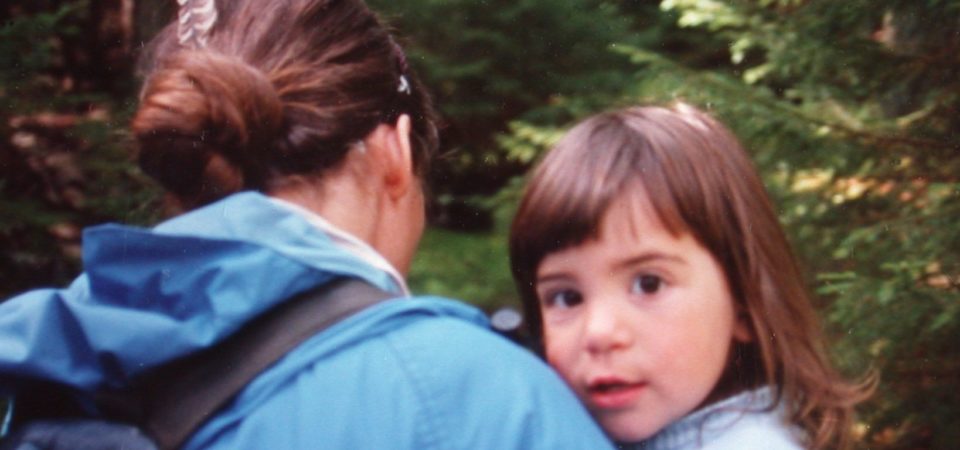


 Climate Change Reports